Causes of and Solutions for Leggy Pepper Seedlings
Peppers are a vegetable we cannot do without in daily life, and pepper seedlings also affect their yield and quality, yet leggy seedlings are extremely prone to appear during the seedling-raising process, seriously affecting the growth and development of peppers. So how should leggy pepper seedlings be dealt with? Let's take a look together.
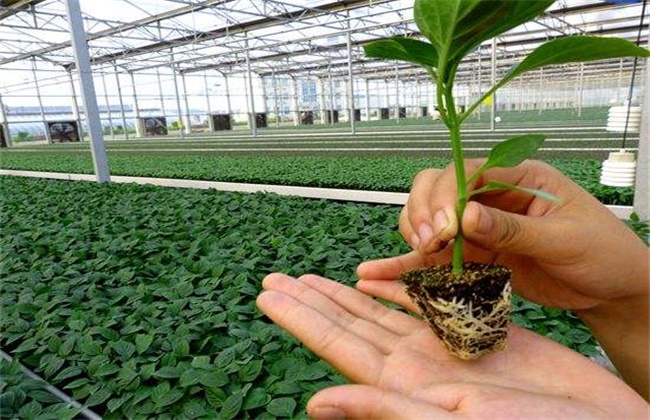
I. Causes of Leggy Seedlings
1. Unsuitable temperature and humidity
The main reason pepper plants form leggy seedlings is the relatively high air temperature inside the greenhouse, weak light, a large temperature difference between day and night, and excessive humidity and nitrogen fertilizer application. When pepper seedlings grow in such an environment, they are extremely prone to spindly growth, with vigorous vegetative growth, resulting in a leggy appearance.
2. Excessive density
Many farmers believe that the denser the planting, the higher the yield, so when raising seedlings they often plant them very densely. This is a mistaken idea: planting too densely makes the seedbed poorly ventilated and light-transmitting, which causes higher humidity in the seedbed, and this also makes leggy seedlings extremely likely to form.
II. Solutions
1. Strengthen management during the seedling stage
To prevent leggy seedlings from appearing, management after pepper seedlings emerge is key. The principle is to combine promotion and control, appropriately raising the night temperature; after full emergence, the day-night temperature difference should be kept at around 25-26°C and 15-17°C. Extend the light exposure time as much as possible. Because winter and spring have short daylight hours, the covering should be removed promptly after emergence so the seedlings receive normal light. In summer and autumn, when light is intense, remove the covering gradually after emergence.
2. Ventilate to reduce humidity
Higher humidity during seedling raising not only affects seedling growth but also makes pest and disease damage extremely likely, so increase ventilation as much as possible, lower the humidity in the greenhouse, increase the dry matter content of the seedlings, and make them grow strong and healthy.
3. Water reasonably
During the seedling stage, pay attention to watering frequency. During emergence, to help the seedlings come up, the soil should be kept moist; after emergence, reduce the amount of watering appropriately and just keep the soil alternately dry and moist. During hardening off, to improve the seedlings' drought resistance, you can refrain from watering unless the soil is dry.
4. Transplant at the right time
Timely transplanting is also important. When pepper seedlings reach 90 days of age, they can be transplanted. The pepper seedlings to be transplanted should not be too small, otherwise the root system will be too small and they will not survive easily, nor should they be too large, otherwise early yield will be affected. Because seedlings are raised in different seasons and peppers grow at different speeds, the seedling age for transplanting peppers differs by cropping season, so it should be adjusted appropriately according to the actual timing.
The above is an introduction to the causes of leggy pepper seedlings and the solutions. We hope it helps you. To learn more related knowledge, please stay tuned to us.