What causes the "summer dormancy" phenomenon in yardlong beans
Many crops experience the summer dormancy phenomenon during cultivation, and once it occurs, the yield of that crop drops sharply. Yardlong beans are one of our common vegetables. Once summer dormancy occurs, what should we do? Let's take a look together.
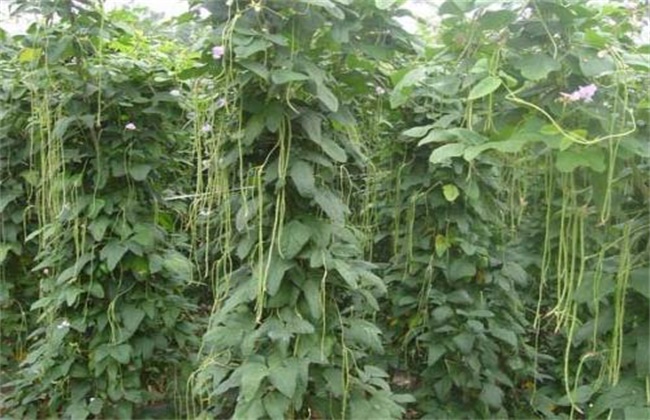
I. Symptoms of summer dormancy in yardlong beans
Summer dormancy in yardlong beans mainly manifests as weakened plant growth vigor, yellowing leaves, reduced flower numbers, and flower drop with reduced pod set, causing a serious decline in yield. Generally, this phenomenon mostly occurs when high-temperature summer weather lasts for a long time, that is, during the dog days of summer, so it is called summer dormancy.
II. Causes
1. High temperature
Yardlong beans have certain temperature requirements. The suitable temperature for the germination stage is between 25-30 degrees, while the seedling stage requires slightly higher, usually between 30-35 degrees, and the suitable growth temperature for the flowering and pod-setting stage is between 25-28 degrees. Once the temperature is too high, yardlong beans are very prone to failing to pollinate normally.
2. Drought and excessive rain
In summer, many regions have high temperatures and abundant rain, but once the rainy season lasts too long, water easily accumulates in the field, and the root system of yardlong beans may rot and suffer from oxygen deficiency. If there is no rain for a long time in summer and high temperatures persist, it will also cause slow growth of yardlong beans and reduced flower numbers. Moreover, after summer rainfall, the temperature rises quickly, which very easily triggers pest and disease damage.
3. Improper fertilizer and water management
During cultivation, excessive watering very easily occurs, especially improper watering at the seedling stage, excessive use of base fertilizer, and one-sided application of nitrogen fertilizer. These problems very easily lead to excessive vegetative growth of yardlong beans, resulting in fewer flowers, fewer pods, and low yield in summer.
III. Prevention and control measures
First, before sowing, select good seeds and sow at the right time. Before planting, choose varieties that meet market demand according to local actual conditions. It is recommended to choose yardlong bean varieties with good heat tolerance, strong resistance, and stable yield to reduce the possibility of summer dormancy. Then, control the field environment well to avoid excessive vegetative growth. First, plant at a reasonable density, and also harden the seedlings at the seedling stage to avoid excessive growth during that period. In addition, pay attention to pruning and topping of yardlong beans to avoid pod-setting positions being too high, which affects yield. There are many pests and diseases in summer, so prevention and control measures should also be done well.
The above is an introduction to what causes summer dormancy in yardlong beans. We hope it helps you. To learn more related knowledge, please keep following us.