Correct methods and precautions for root drenching vegetables with chemicals in winter
After winter arrives, the temperature inside greenhouses is low and the humidity is high. Such an environment very easily leads to disease outbreaks, and when it comes to preventing and controlling root diseases, choosing chemical root drenching is one of the most effective measures. However, when carrying out root drenching, you must pay attention to technique, otherwise it may backfire. Let's take a look together below.
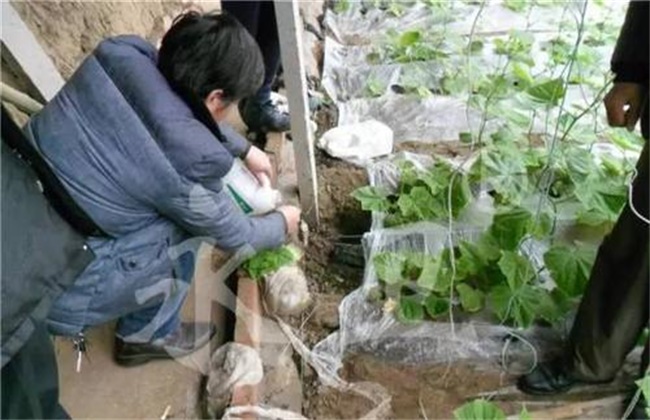
I. Methods for root drenching vegetables in winter
1. Soil organisms must also be taken into account
After choosing a chemical for root drenching, it must not destroy the biological community and ecological balance within the soil. For example, in greenhouses where microbial fertilizer has already been applied, try not to use fungicides for root drenching, so as to avoid killing the beneficial microorganisms in the microbial fertilizer and causing the microbial fertilizer to lose its fertilizing effect. If the vegetables have already developed disease and a chemical must be used for root drenching to control it, then at this time there is no need to consider whether the beneficial microorganisms will be damaged, so as not to lose the greater for the lesser.
2. Do not water before root drenching
Most root diseases spread with water, causing disease in a large area of plants. In addition, watering also causes soil permeability to decline, causing the vegetable roots to lack oxygen, producing root rot, reducing disease resistance, speeding up pathogen infection, and causing plant death.
3. Do not water immediately after root drenching
If you water immediately after root drenching, the solution will be quickly diluted, thereby reducing the sterilizing effect. If there is a lack of water and drought, you can water lightly in the furrow, with the water level reaching one third of the ridge height, and absolutely do not let it flow over the ridge surface.
II. Precautions
1. Chemical selection must be reasonable
When selecting chemicals, choose those with strong targeting and relatively good control effects. Do not use chemicals blindly, so as to avoid delaying the period of prevention and control.
2. Concentration must be appropriate
When using chemicals, you must pay attention to the concentration, especially when fungicides are mixed with humic acid liquid fertilizer or hormones that stimulate root development. The solution concentration must not be higher than a 800-fold dilution, so as to avoid drug damage caused by too high a concentration.
3. Pay attention to sprinkling water before and after root drenching
It is not suitable to sprinkle water before and after root drenching, mainly because root diseases have already occurred. At this time, sprinkling water will cause pathogens to spread over an area with the water, causing more vegetables to become infected.
4. Do not apply microbial fertilizer by flushing before and after root drenching
Fungicides will more or less affect the microorganisms in microbial fertilizer, so before and after root drenching, try not to apply microbial fertilizer by flushing. In plots where microbial fertilizer has already been applied, when preventing and controlling diseases, use as little fungicide as possible, so as to avoid causing the microbial fertilizer to lose its proper effect.
5. Timely remediation of drug damage
After root drenching, if the plants show wilting and yellowing, these are obvious symptoms of drug damage and need timely remediation, so as to avoid causing greater losses. You can immediately irrigate once with water to dilute the solution concentration, and at the same time spray a relieving agent to promote the roots to recover as quickly as possible.
The above is an introduction to the methods and precautions for root drenching vegetables with chemicals in winter. I hope it can help you. If you want to learn more related knowledge, please stay tuned to us.