What are the control methods for cowpea black mold?
Cowpea black mold, also known as cowpea leaf mold, can cause leaves to dry up and drop early when the disease is severe, bringing huge economic losses to farmers. So what symptoms appear when cowpea black mold strikes? How should it be controlled? Let's take a look together.
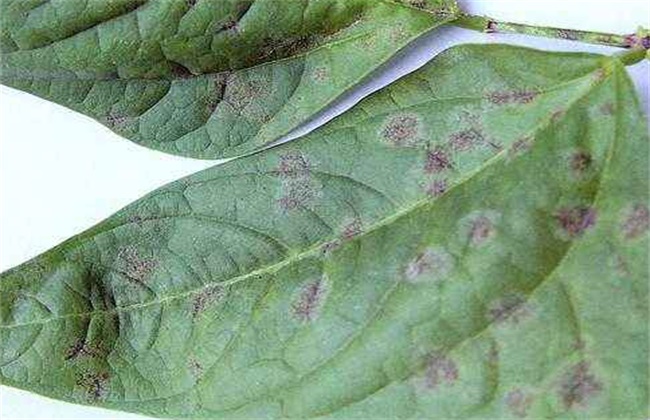
1. Damage to plants
Cowpea black mold mainly damages leaves, and in severe cases also harms vines, leaf stalks and pods. The lesions initially appear as inconspicuous nearly round yellow-green spots, then small purple-brown or purplish-red dots appear within the yellow-green spots, gradually expanding, with the lesion edges indistinct. When the leaves turn yellow, the area around the lesions can still remain green; when humidity is relatively high, a dark gray or gray-black sooty mold grows on the surface of the lesions, especially densely on the underside of the leaves. The lesions sometimes join together to form irregular large patches. When the disease is severe, the diseased leaves curl, dry up and drop early, leaving only the young tender leaves at the shoot tips.
2. Occurrence pattern
In spring greenhouses, cowpea black mold begins to occur in mid-April, with the peak period from June to July. High temperature and high humidity favor the outbreak of this disease, and the disease becomes more severe. Cowpea black mold often occurs severely in continuous cropping land, and spring-sown cowpea often suffers more severe disease than late-sown cowpea, especially cowpea sown relatively early in spring, which suffers the most severe disease.
3. Control methods
First, choose varieties with strong disease resistance to increase the plants' disease resistance; then, when transplanting, plant at a reasonable density to maintain good air permeability in the field, so as to avoid excessive humidity that induces disease. In rainy seasons, be sure to strengthen field drainage to avoid waterlogging that rots roots and gives pathogens an opportunity, and at the same time reasonably increase the application of phosphorus and potassium fertilizers, which can enhance the plants' disease resistance. When cowpea black mold occurs, diseased leaves should be removed promptly, and at harvest the diseased residues in the field should be cleared promptly and burned or deeply buried in time. In the early stage of the disease, spray thiophanate-methyl, procymidone, xinwansheng, or sulfur suspension for control, spraying once every 10 days, for 2-3 consecutive treatments, or spray diphenyltriazolol emulsifiable concentrate, once every 10-20 days.
The above is an introduction to the control methods for cowpea black mold. We hope it can help you. To learn more related knowledge, please stay tuned to us.