Detailed Explanation of Key Techniques for Overwintering Management of Prickly Ash Trees
In some provinces of China, the prickly ash tree is a very popular side dish and also a traditional Chinese medicinal herb, and it is highly beneficial to human health. Therefore, the planting area of prickly ash trees is now relatively large, but because the prickly ash tree has relatively poor cold resistance, its overwintering management in winter is very important. So how should prickly ash trees overwinter? Below, the editor brings you the key points for overwintering management of prickly ash trees. Let's take a look!
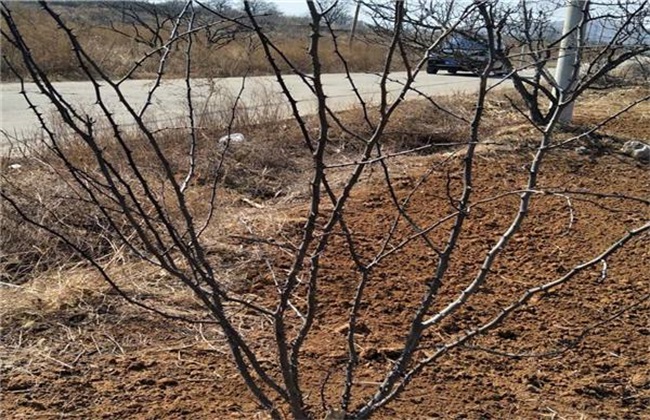
1. Tree Body Management
Before entering winter, we should first carry out whitewashing treatment on the trunk of the prickly ash tree. Whitewashing the trunk can effectively eliminate pathogenic bacteria and insect eggs lurking on the trunk to overwinter. It also has strong light-reflecting ability, which can minimize the temperature difference between day and night. When whitewashing, the entire trunk should be whitewashed, all the way to the place where the soil mound branches. At the same time, we can also spray an appropriate amount of protective agents on the leaves, branches and trunk, such as amino acid foliar fertilizer, Antaisheng, etc. After spraying, it can close the stomata of the branches, avoid excessive water consumption that leads to branch shriveling, and can also delay the flowering period of prickly ash trees, enhancing their cold resistance.
2. Smoking and Soil Mounding
In winter, around 11 p.m. is generally the coldest time period. At this time, we can carry out smoking in the orchard to protect against the cold, using sawdust, fallen branches and fallen leaves as the main fuel, piling them together to form a smoldering fire, so that the whole orchard is covered with thick smoke. However, attention should be paid to controlling the fire intensity and the smoking position, avoiding being too far from the prickly ash trees and causing them to be burned, while also paying attention to preventing fires. Then mound soil at the base of the trunk, with a diameter controlled at about 1 m and a mounding height of about 15 cm, mainly to protect the roots and avoid severe freezing damage. After entering spring, remove it promptly to raise the soil temperature.
3. Pruning and Covering the Tree Disk
In early winter, for prickly ash trees that have already shed their leaves, especially trees within two years, we should prune them promptly and do a good job of tip cutting. This avoids excessive consumption by the tree body, improves nutrient accumulation within the tree, and thus enhances the cold resistance of prickly ash trees. Then we can also cover the tree disk around the tree with rice straw, corn stalks and other grain straw. This can not only preserve soil moisture but also raise the soil temperature. At the same time, plastic film or leaves, etc. should be laid within 1 m around the trunk, which can effectively reduce freezing damage to prickly ash trees.
4. Winter Irrigation for Water Retention
After entering winter, the soil is very prone to the phenomenon of freezing at night and thawing during the day. Therefore, we should dig trenches between the rows of prickly ash trees and then pour sufficient water along the trenches. Ensure that before nightfall, the water can fully infiltrate into the soil. In this way, the water we irrigate in winter can be used in spring. This avoids spring drought and is also very beneficial to the growth and development of prickly ash trees. Moreover, water also has the effect of storing warmth, which can ensure relatively balanced soil temperature in winter and reduce freezing damage. After winter irrigation, cover with grass promptly and carry out appropriate shallow hoeing to avoid excessively rapid water evaporation.
The above is a brief introduction to the key points for overwintering management of prickly ash trees. That is all for today's introduction. This article is for reference only, and I hope it can help everyone!