What are the methods for promoting deep roots and increasing yield in vegetables?
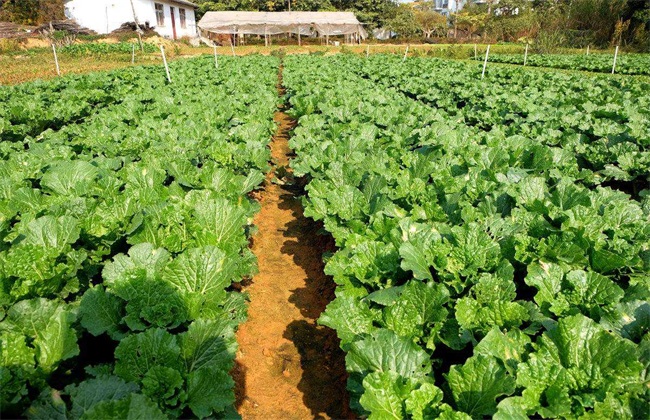
Vegetables are an indispensable food in our daily lives. There are a great many vegetable varieties in our country, and whether they are leafy vegetables, root vegetables or gourd vegetables, the market demand for them in our country is very large. Their planting area is also very large, and when growing vegetables, everyone wants the yield to be as high as possible. So everyone thinks about how to promote deep roots and increase yield in vegetables. So how exactly should it be done? Let's take a look together with the editor below!
1. Deep plowing and increased application of farmyard manure
If you want vegetables to have deep roots and increased yield, then deep plowing and increased application of farmyard manure are very important. Deep plowing is mainly to break up compacted soil and create a live soil layer for the vegetable roots. When deep plowing, we should carry out the fertilization work at the same time. Apply a large amount of farmyard manure, and also spray an appropriate amount of new high-fat film. This can not only provide sufficient nutrients for the vegetables, but also effectively improve the soil structure and enhance the soil's physical and chemical functions. It provides a high-quality soil environment for the growth and deep rooting of vegetables.
2. Cultivate multi-root seedlings
Although there are many vegetable varieties, the root systems of most soils are basically formed during the seedling stage. Therefore, during the seedling stage, we should pay attention to cultivating a robust and well-developed root system for the vegetables. And we should also do a good job of protecting the roots during the seedling stage and when transplanting and setting out. This is not only very beneficial for the reviving of vegetable seedlings, but will also directly affect the growth and development of the vegetables in the middle and later stages. And if you want to protect the roots, then it is generally recommended to use containers such as nutrient pots and paper bags for seedling cultivation. It can also play a role in inducing new roots and promoting deep root penetration.
3. Scientific fertilization
Different fertilizers differ in their effects on the growth and development of vegetable roots. For example, the calcium element mainly affects the growth of the meristematic tissue at the vegetable root tips, while the zinc element directly determines the growth speed of the vegetable root tips. The phosphorus element can promote root cell division, etc. After we understand this clearly, we should pay attention to supplementing elements such as calcium and zinc when fertilizing. To provide sufficient nutrition for vegetable growth, when applying superphosphate, an appropriate amount of vinegar can be added to it to promote the formation of calcium acetate, which can speed up the absorption of calcium by vegetables.
4. Protect the root system
The root system of vegetables is relatively fragile. During growth, the root system will be damaged by low temperature, fertilizer damage, mechanical injury, etc. For example, under a low-temperature environment, the root system is prone to cold roots and root rot. High temperature will accelerate the aging speed of the root system and have a very large impact on the root system's absorption capacity. So when producing vegetables, we should not only do a good job of deep plowing and soil improvement. We should also carry out work such as film mulching, film removal, scientific fertilization, and intertillage weeding to protect the growth of the root system. Promote the root system to be able to penetrate and grow normally, and increase the yield of vegetables.
The above is a brief introduction to how to promote deep roots and increase yield in vegetables. That is all for today's introduction. This article is for reference only, and I hope it can be helpful to everyone!