What are the control measures for soybean continuous cropping yield reduction?
As a major food crop in our country, soybean has a very large market demand. Many people grow it, but when planting soybeans, many people do not pay attention to the problem of continuous cropping. This leads to yield reduction in continuous soybean cropping, seriously affecting the economic benefits of farmers. Therefore, continuous soybean cropping requires our close attention. So how should we prevent yield reduction from continuous soybean cropping? Let's take a look together below!
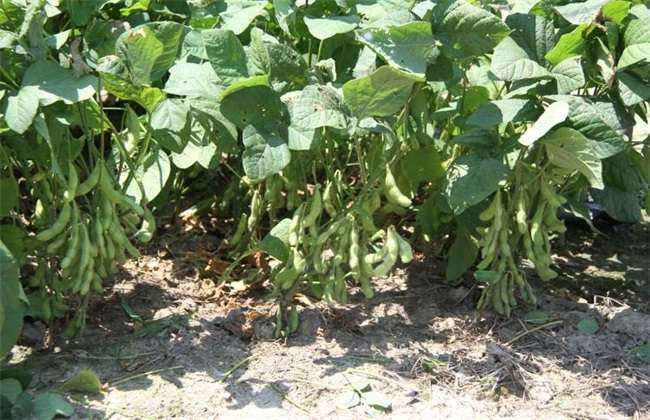
1. Rotation control
Soybean is a crop unsuitable for continuous cropping. Therefore, if we want to prevent yield reduction from continuous cropping, we must first have a reasonable rotation system. This is the most basic and also the most effective measure to reduce yield reduction from continuous soybean cropping. When planting soybeans, the area should not exceed 1/3 of the grain area, and reasonable rotation should be carried out. In the soil plough layer, deep ploughing should be carried out, combining loosening, turning and harrowing to improve the soil structure and create a good growing environment for soybeans. Do not choose soil that has been continuously cropped, is barren, or low-lying, so as to ensure soybean yield.
2. Variety control
The variety is very critical to the growth and yield of soybeans, and choosing an excellent variety is also a main measure to reduce the harm of continuous soybean cropping. Soybean seeds must be plump, without wounds, and free of pests and diseases. Before sowing, seed dressing with agents such as amino-oligosaccharin can effectively improve the emergence rate of soybean seeds and enhance their immunity. There have also been professional data surveys showing that it is not only renewing the planted variety that can reduce the harm of continuous cropping. Even for the same variety, appropriate replacement can also achieve the effect.
3. Nutritional control
When we plant soybeans, fertilization work is very important. Appropriately increasing the application of beneficial fertilizers such as organic fertilizer, biological fertilizer, and biological bacterial fertilizer can effectively reduce the harm brought by continuous cropping. For example, the amino-oligosaccharin just mentioned can improve soil fertility, break up soil compaction, enrich the nutrient structure in the soil, promote the healthy development of soybeans, enhance the stress resistance of soybean plants, and increase their yield. As for microbial inoculants, they can improve soil activity, regulate the pH within the soil, and ensure normal soybean growth.
4. Pest and disease control
In soil where soybeans have been continuously cropped, the number of pests in the soil is very large. Pests are also one of the main reasons for soybean yield reduction. Therefore, if we want to reduce the harm of continuous soybean cropping, pest and disease control work is naturally indispensable. We should carry out comprehensive and thorough disinfection of the soil, reasonably use insecticides, and apply them by flushing and foliar spraying. Do a good job in preventing pests such as root-knot nematodes to reduce pest damage.
The above is a brief introduction to the control measures for soybean continuous cropping yield reduction. That is all for today's introduction. This article is for reference only, and we hope it can help everyone!