What causes the split skin on ginger
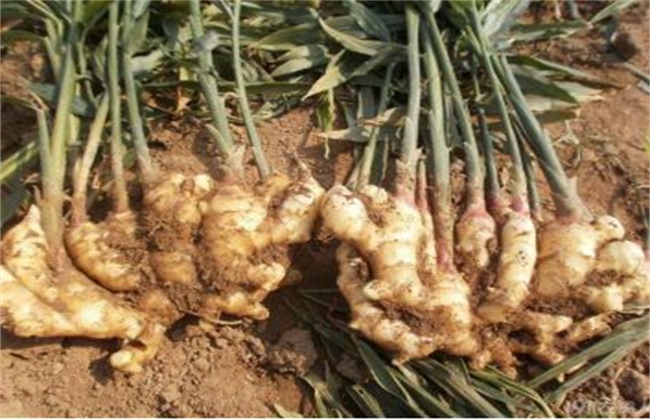
Ginger is a very important seasoning when we prepare dishes. It has a very large planting area in our country, and when planting ginger, if management is improper and the ginger becomes infected with bacteria, then split skin is very likely to appear, and split skin will seriously reduce the commercial value of ginger and the planting benefits. So what causes split skin on ginger? Below, the editor will give you a brief introduction, let's take a look together!+
1. Continuous cropping on the same land
When we plant ginger, we need to do a good job of crop rotation. Ginger is not suitable for continuous cropping on the same land. If ginger is planted year after year, then many pathogens and pests will be produced in the soil, and ginger is also very prone to infection by pests and diseases during its growth, thus developing split skin and other phenomena. Therefore, when planting ginger, we must pay attention not to practice continuous cropping. In areas where continuous ginger cropping is relatively serious, we should at least rotate it with gramineous crops for more than three years. This reduces soil-borne diseases of ginger, avoids adverse phenomena such as split skin, and ensures its planting benefits.
2. Soil that is too acidic
Soil is the main cause of split skin in ginger. For example, if the soil is too acidic, then it will inhibit the absorption of calcium and boron by ginger. This affects the growth of the aboveground part of the ginger plant, reduces the disease resistance of ginger, and thus causes split skin. Therefore, we should pay attention to regularly checking the pH of the soil and maintain a suitable pH value; the soil must never be too acidic. If the soil is acidified, then quicklime and other substances should be used promptly to neutralize it. Then appropriately increase the application of phosphorus and potassium fertilizers to improve the disease resistance of ginger plants and reduce the occurrence of adverse phenomena.
3. Soil compaction
Besides soil that is too acidic causing split skin in ginger, soil compaction is also one of the “chief culprits” causing split skin in ginger. The main edible part of ginger is the tuberous root, so the growth of the tuberous root is very important. When we plant ginger, we should maintain a good soil environment. If the soil is compacted or the soil is too sticky, then it will affect the respiration of the ginger roots as well as nutrient absorption, etc. This causes ginger to be unable to grow normally and to develop many phenomena such as split skin. Therefore, when planting, we should pay attention to doing a good job of cultivating and loosening the soil, water reasonably, and not use flood irrigation, which causes soil compaction; after rain, drain water in time to break up soil compaction.
4. Low-lying terrain
Low-lying terrain is actually similar in cause to soil compaction. Because in low-lying places, the soil is prone to water accumulation, and if the water is not drained in time, then it will also affect the respiration of the ginger roots. Then, combined with high humidity, poor permeability and other reasons, split skin is very likely to occur. So before planting, we should try to choose flat terrain with good drainage and irrigation capacity for planting, and drain water in time on rainy days to avoid water accumulation. Then we should also do a good job of fertilizing, mainly with compound fertilizer; in addition, trace elements should also be supplemented to ensure that ginger growth has sufficient nutrients.
The above is a brief introduction to what causes split skin on ginger. That is all for today's introduction. This article is for reference only, and I hope it can help everyone!