Why Do Pepper Plants Go Into Summer Dormancy? Causes and Control Methods Explained
During summer pepper cultivation, a common phenomenon often occurs: summer dormancy. It shows up as the plants barely growing, along with yellowing leaves and a strong tendency to drop flowers and fruit or produce stiff fruit. So why do pepper plants go into summer dormancy? Let's take a look together.
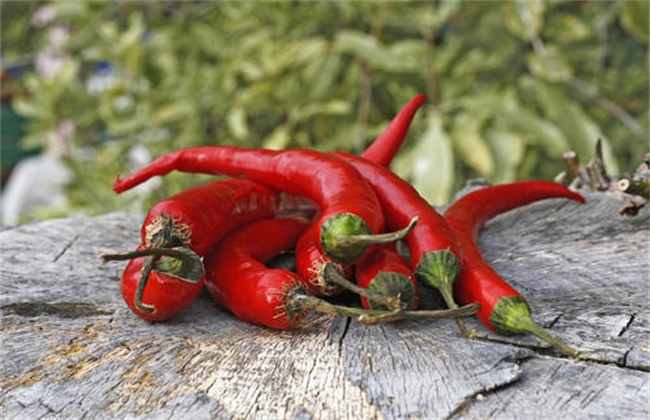
I. Causes of Summer Dormancy in Pepper Plants
Summer temperatures are hot, and at this time not only do people lose their appetite, but livestock also show reduced feed intake, and plants likewise show symptoms of slow growth. For peppers, the fruiting position is far from the main stem, and combined with the high temperatures, the plants grow weaker and weaker, resulting in summer dormancy.
II. Control Methods
1. Replenish water in time
In summer, not only does the soil evaporate faster than before, but leaf transpiration also increases. Once the plants lack water, the leaves turn yellow and dry up, affecting the formation of photosynthetic products, so water must be replenished in time during summer. But watering also has its rules: it should not be done at noon when the sun is at its strongest, as this may scorch the leaves. It is best done in the morning when temperatures are lower. Watering must be done with a small amount of water; be sure not to flood-irrigate, which causes the soil to become waterlogged.
2. Rational fertilization
Pepper plants need a large amount of nutrients during the fruiting period to satisfy both their reproductive growth and vegetative growth, so after entering the fruiting period they should be fertilized frequently, especially after entering the dog days. Fertilization during the pepper fruiting period should be mainly nitrogen fertilizer, supplemented by phosphorus and potassium fertilizer. After picking one round of fruit, water and fertilize to replenish nutrients and water.
3. Pinching and topping
During the growth period, pepper plants should be topped and pinched in time. The purpose of this is to promote the growth of side branches and prevent the fruiting position from being too far from the main stem, which would affect nutrient uptake. When planting, be sure to top and pinch multiple times, generally once every half month. The principle for topping and pinching is to leave two leaves for each fruit.
4. Remove old leaves
As pepper plants grow continuously, the old leaves on the lower part should be removed in time, which can save nutrients. At the same time, diseased branches and leaves should also be removed promptly.
The above is an introduction to the causes of summer dormancy in pepper plants and the control methods. We hope it helps you. To learn more related knowledge, please stay tuned to us.