A Detailed Guide to the Cultivation Techniques and Management Methods of Bulb Fennel
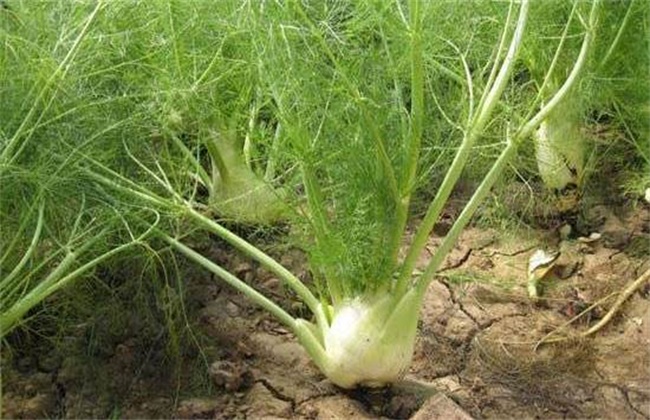
Bulb fennel is a variety of fennel. It has a novel appearance, is rich in nutrients, and has a unique aroma. It is exceptionally delicious whether eaten raw or cooked, making it a high-quality health vegetable. As it has become increasingly popular, more and more people are growing it. So how should bulb fennel be cultivated? Let's take a look together.
1. Sowing and Seedling Raising
Bulb fennel can be sown directly or raised as seedlings and then transplanted. In actual production, in order to cultivate strong seedlings, seedling raising and transplanting are generally used. For spring cultivation, the seedling raising time is generally in early to mid-March, usually in greenhouses and cold frames; for autumn cultivation, seedlings are generally raised in July-August; for winter seedling raising, seedlings are generally raised in protected areas in January-February. Before raising seedlings, germination must be promoted. First soak the seeds for 24 hours, then place them in a greenhouse environment at 20-25 degrees to promote germination. During germination, rinse them once a day with warm water, and they will sprout within a week. Then sow at 4 grams of seed per square meter. After sowing, cover with a layer of fine soil. After emergence, maintain 20-25 degrees during the day, with the maximum not exceeding 28 degrees, and maintain around 15 degrees at night. At the same time, thin and retain seedlings in a timely manner. When they grow to 5-6 true leaves, they can be transplanted.
2. Planting
The spring planting time for bulb fennel is early to mid-April. It can be planted when the temperature stabilizes at around 15 degrees; the autumn planting time is in August-September; the planting time in protected areas in winter and spring is February-March. Before planting, apply 3000 kg of organic fertilizer, 20 kg of diammonium phosphate, 15 kg of potassium sulfate, and 20 kg of urea per mu, then carefully prepare the soil and make beds. Generally, about 5500-6600 plants are planted per mu.
3. Field Management
After planting, water promptly to promote seedling recovery. Half a month after planting, apply 10 kg of urea per mu. After 25 days, apply 15 kg of urea per mu with irrigation. After an interval of one week, apply 7-10 kg of urea per mu. The main pests and diseases of autumn fennel include powdery mildew, gray mold, aphids, and cabbage caterpillars, so prevention and control work should be done well.
4. Timely Harvesting
For autumn fennel, after 40-50 days from planting, when the bulb has fully expanded in autumn and the outer scales are white or yellowish-white, it can be harvested. Harvesting too early or too late will affect yield and quality. When harvesting, first select those that have expanded earlier and bring them to market in batches. If seeds are to be saved, they need to be isolated from non-bulbing fennel stems.
The above is an introduction to the cultivation techniques of bulb fennel. We hope it can help you. If you want to learn more related knowledge, please stay tuned to us.