What causes leaf drop in yardlong beans during the harvest period? How to prevent and control it
Yardlong beans are a common vegetable on our dining tables, and they are grown fairly widely in our country, especially in rural areas. However, many farmers report that when their yardlong beans reached the harvest stage, a large amount of leaf drop occurred, seriously affecting the yield. So what is going on here? Let's take a look together.
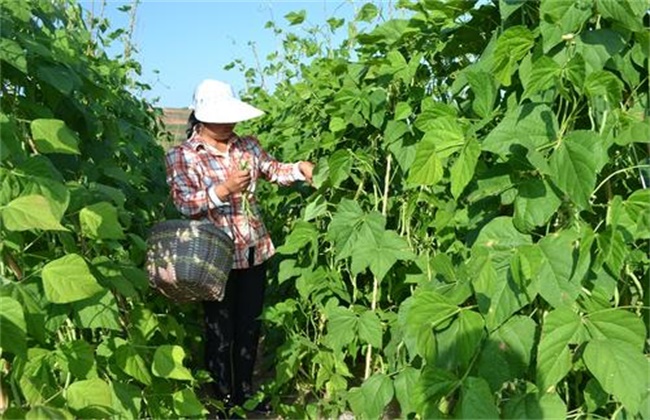
I. Causes
1. Poor soil conditions
When soil conditions are poor, yardlong bean plants cannot obtain normal nutrients and water from the soil, and a large amount of leaf drop will occur. For example, the soil may be too dry, or excessive rain may cause waterlogging damage. Alternatively, soil compaction may result in poor permeability, making it difficult for the roots to breathe or even suffocating them, so the roots naturally cannot absorb sufficient nutrients and water, thus causing leaf drop.
2. Damage from pests and diseases
When yardlong beans encounter damage from pests and diseases during the harvest period, this can also cause a large amount of leaf drop. Because the symptoms of pest and disease damage differ, leaf drop may be a relatively mild situation; in severe cases, it may cause the plants to wither and die.
II. Prevention and control methods
1. Select good varieties
To avoid leaf drop during the harvest period, first, while choosing a suitable plot, you also need to select excellent varieties with strong disease resistance, high yield, and stable yield.
2. Sow at the right time
The sowing time of yardlong beans must be well controlled. Sowing too early or too late is not conducive to the growth of yardlong beans, and special attention should be paid when sowing in spring. Do not sow too early, and try to avoid the low-temperature period in spring, so as to prevent seedlings from suffering low-temperature freezing damage, which is very unfavorable for later growth, flowering, and podding.
3. Lower soil temperature
You can choose well-drained sandy loam soil for planting. The soil temperature in this kind of plot is relatively suitable, the temperature will not be very high, and drainage is smooth, so there will be no water accumulation that causes root rot, and it is also conducive to temperature regulation.
3. Topdress in time
After entering the peak growth period, in addition to normal soil fertilization, foliar spraying should also be advocated. You can spray a 0.3% potassium dihydrogen phosphate solution 1-2 times. After entering the peak podding period, you can appropriately carry out intertillage and shallow hoeing to break up soil compaction, strengthen the root system's absorption capacity, and ensure a sufficient supply of fertilizer and water for plant growth.
4. Pest and disease control
For leaf drop caused by pests and diseases, actively prevent and control aphids, root rot, and other pests and diseases in production, greatly reducing the probability of leaf drop caused by pests and diseases.
The above is an introduction to the causes of leaf drop in yardlong beans during the harvest period and the prevention and control methods. I hope it can help you. If you want to learn more related knowledge, please follow us.