What are the reasons for soybean yield reduction under continuous cropping?
Soybean is a very common but also very important food crop in China. It has a wide planting area, and the various soybean products derived from soybeans also have a very large market demand in China. Therefore, there are still a great many people growing soybeans today, and when we grow soybeans, we cannot practice continuous cropping. Otherwise, it will reduce soybean yield. So what are the reasons for soybean yield reduction under continuous cropping? Let's take a look below!
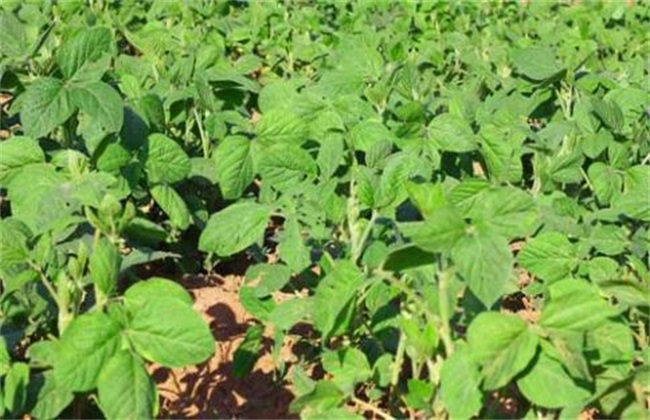
1. Nutrient factors
Continuous soybean cropping, like many vegetable crops, will destroy the soil's nutrient structure if the same land is planted year after year. Because soybeans absorb the same nutrients from the soil every year, the nutrients in the soil are continuously depleted in a one-sided way. This makes it impossible to later meet the nutrient needs of soybean growth, resulting in poor soybean plant development and reduced yield. Moreover, during soybean development, a hydrolysis effect is also produced. This effect causes the total nitrogen content in the soil to rise sharply, while the content of available potassium and available phosphorus is largely reduced as a result, seriously affecting the normal growth of soybeans.
2. Disease and pest factors
If soybeans are continuously cropped on the same land, various diseases and pests are extremely likely to occur, posing a serious threat to soybean growth. For example, in soil under continuous soybean cropping, there are very many bacterial spot disease, cyst nematodes and sclerotinia disease that spread by parasitizing soybeans. The pathogens and eggs of these diseases and pests all overwinter in that plot. The following year, once the environment is suitable, the conditions for disease occurrence are regained, continuing to harm the soybeans planted in the second year. Year after year, the occurrence of diseases and pests becomes more and more serious, and the yield naturally drops sharply.
3. Biological factors
Another main reason for soybean yield reduction under continuous cropping is biological factors. If soybeans are continuously planted on the same land for more than 3 years, the microbial population in the soil will undergo very great changes, producing more putrefactive bacteria. These include various microorganisms that reduce the soybean germination rate and harm the roots. Fungi in particular inhibit the growth and development of continuously cropped soybeans, and no matter what life activity continuously cropped soybeans carry out. Some of the organic substances produced by their plants act as inhibitors, causing great damage to the soil structure, and soybeans will also be reduced in yield as a result.
4. Plant factors
Continuous soybean cropping has a very great impact on the soil's nutrient structure, making the soil nutrient structure too simple. The physicochemical properties and biological activity will also change as a result, producing serious diseases and pests, leading to poor soybean development and declining plant growth. The distribution of the plant canopy will also become unbalanced as a result. Generally, the leaf area in the middle layer will shrink as a result, and the leaves will turn yellow and wilt. Production capacity declines, and the soybean plants accumulate insufficient nutrients, thus leading to reduced yield.
The above is a brief introduction to the reasons for soybean yield reduction under continuous cropping. That is all for today's introduction. This article is for reference only. Thank you for reading and supporting us.