What are the benefits of removing leaves from radishes? A detailed guide to the correct method
As the saying goes, "Eat radishes in winter and ginger in summer." Radishes are not only sweet and crisp in taste, but also highly nutritious and inexpensive. They are even called "little ginseng," and eating them regularly provides excellent nourishing effects. In rural areas, basically every household grows them, and removing leaves during radish cultivation is extremely important. Below, let's take a look at the benefits and timing of removing leaves from radishes.
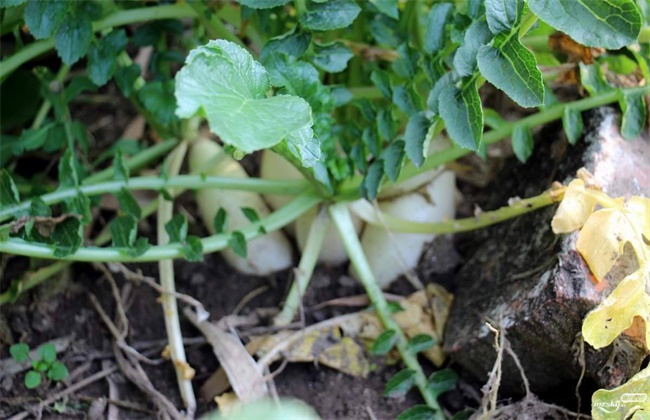
1. Benefits of removing leaves from radishes
After removing leaves from radishes, the direction of nutrient transport can be manually regulated, encouraging nutrients to be transported as much as possible to the underground tuber. This is beneficial for radish enlargement and the accumulation of organic matter, and can significantly improve yield and quality. Removing leaves from radishes can also adjust plant density. We all know that in the later stage, radish leaves are lush, and plants squeezed together reduce field ventilation and light penetration, which is extremely unfavorable for underground tuber growth and can easily trigger pests and diseases. Therefore, timely leaf removal can reduce crop canopy density, promote good ventilation and light exposure between plants, and lower the occurrence of pests and diseases in radishes.
2. Timing of leaf removal
The timing of removing leaves from radishes must also be well controlled. Too early or too late is unfavorable for tuber growth and development. Generally, in the early stage of tuber enlargement, some old leaves, yellow leaves, and pest- or disease-damaged leaves can be removed. These leaves have low photosynthetic efficiency and also consume certain nutrients, contributing little to underground tuber enlargement, so they can be eliminated in time. In the middle stage of enlargement, some green leaves can be removed to control nutrient consumption by the aboveground plant, which is beneficial for underground tuber enlargement. In the late stage of enlargement, a large number of stems and leaves can be removed, leaving only a small amount of healthy green leaves to maintain slight organic matter accumulation in the late stage of tuber enlargement. In addition, one week before harvest, all radish stems and leaves can be removed in a planned way, which can make the radish taste crisper and sweeter.
3. Parts to remove leaves from
Plant leaves are the main site of photosynthesis, so radish stems and leaves cannot be removed casually. If leaf removal is done improperly, it will not only fail to promote the growth and development of radish root tubers, but may even affect the normal growth of the radish plant and cause reduced yield. Removing leaves from radishes requires particular care and should follow the three principles: remove more old leaves and fewer new leaves; remove more lower leaves and fewer upper leaves; remove more diseased leaves and fewer healthy leaves. In addition, too many leaves should not be removed. Enough leaves need to be left to meet the needs of photosynthesis for synthesizing nutrients, which is beneficial for organic matter accumulation in the tuber.
The above is an introduction to the benefits and methods of removing leaves from radishes. We hope it helps you. To learn more related knowledge, please stay tuned to us.