What are the remedial methods for missing seedlings and broken rows in wheat?
Wheat is one of the main food crops in China, and it is grown on a very large area in China. Although the cultivation method of wheat is relatively simple, some problems often occur during cultivation, and missing seedlings and broken rows is one of them. If wheat has missing seedlings and broken rows, it will have a very large impact on its yield. So how should missing seedlings and broken rows in wheat be remedied? Below, the editor will briefly introduce this to everyone. Let's take a look together!
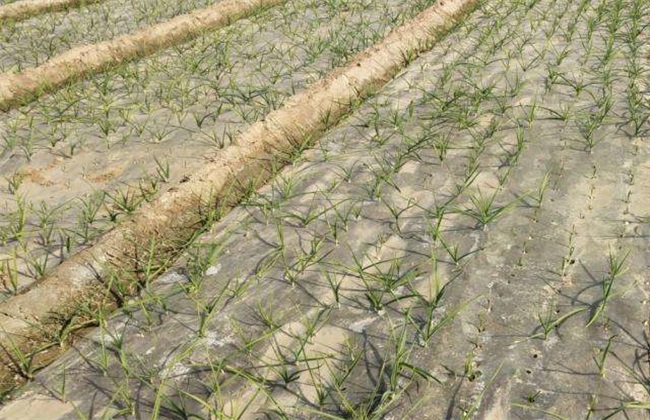
I. Causes of missing seedlings and broken rows
When wheat is planted, uneven emergence often occurs for many reasons. Generally, if no seedlings have grown within about 10cm in the wheat rows in a wheat field, then it is basically considered missing seedlings. If there are no wheat seedlings for more than 15 cm, it is regarded as a broken row. There are very many causes of missing seedlings and broken rows in wheat, for example, extensive management during tillage, resulting in many clods. Or sowing when the soil moisture condition is yellow moisture, resulting in insufficient subsoil moisture.
When sowing, pay attention to the sowing depth of each sowing hole; it must not be that some are sown deep and some are sown shallow. If the sowing depth is inconsistent or if sowing is missed or skipped, then missing seedlings are also very likely to occur. In addition, seed quality is also a key factor affecting wheat emergence. After sowing, if there is damage from underground pests, or if seed and soil disinfection are improper, phytotoxicity is likely to occur, thereby affecting wheat seed emergence. For wheat fields with missing seedlings and broken rows, timely treatment is necessary; otherwise, it will not only reduce the utilization rate of land resources, but also reduce yield.
II. Remedial methods
1. Check seedlings and reseed
About 4 days after wheat seeds are sown and emerge, we should do a good job of checking seedlings and inspect whether there is any missing seedling phenomenon. If there is missing seedling phenomenon, then reseed in time. When reseeding, first we should use seeds of the same variety and soak them in warm water at about 20 degrees for about 4 hours. Then remove them and let the seeds fully absorb water so that they remain in a moist state. When the seeds show signs of germination, furrows can be opened for reseeding. If the moisture condition is poor, then water should be applied appropriately along the furrow, and after sowing, cover with soil and press it firm.
2. Thinning seedlings and transplanting
After the young seedlings enter the tillering stage, if there is still a missing seedling phenomenon, then we should timely thin seedlings and fill in sparse areas, transplanting while filling gaps. When transplanting, keep the robustly growing seedlings and remove weak seedlings. When covering with soil after transplanting, pay attention to controlling the depth well. Do not press on the heart of the seedling, and do not expose the seedling roots outside. After planting, do a good job of management; if the moisture condition is poor, water in time. Some quick-acting fertilizer can be applied appropriately to improve the survival rate and growth speed of the seedlings.
The above is a brief introduction to how to remedy missing seedlings and broken rows in wheat. That is all for today's introduction. This article is for reference only. Thank you everyone for reading and supporting.