What to Do About Early Bolting and Early Flowering in Rapeseed? Causes and Prevention Methods
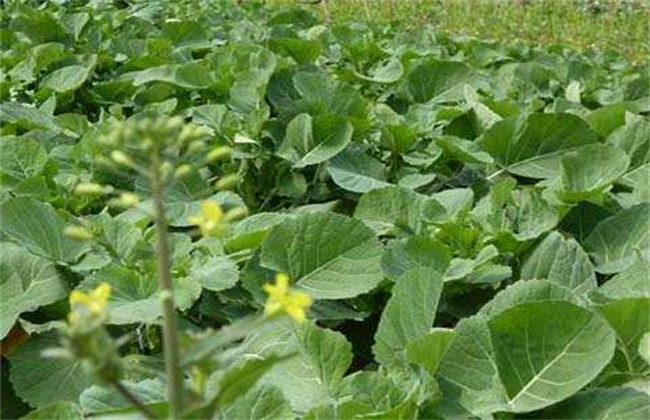
Rapeseed is a fairly common vegetable, generally distributed in the Yangtze River basin. When growing winter rapeseed, the time for bolting and budding is generally in February to March. If it bolts and flowers before the Spring Festival, then this is the phenomenon of early bolting and early flowering in rapeseed. The phenomenon of early bolting and early flowering has a great impact on rapeseed yield. So what should be done about early bolting and early flowering in rapeseed? Below, the editor will give everyone a brief introduction. Let's take a look!
I. Preventive measures
1. Water and fertilizer management
When planting rapeseed in autumn and winter, we should pay attention to watering. Whether transplanting or direct seeding, if the soil is too dry, it is very unfavorable to the growth of rapeseed. Therefore, water in time to combat drought and promote the rooting and leaf growth of rapeseed seedlings. In winter, if the temperature is too low, then winter irrigation should be done in time, which can supplement water while also maintaining soil temperature. For some rapeseed seedlings with weaker growth, apply urea early to promote the seedlings' growth into strong plants, which can also prevent the phenomenon of early bolting and early flowering. On the contrary, strong seedlings do not need topdressing, to avoid excessive nutrients accelerating the growth rate of rapeseed.
2. Chemical regulation
When rapeseed is at the 4-leaf stage, bolting stage, early flowering stage and other periods, these are key periods for controlling excessive growth in rapeseed. We can choose growth regulators such as paclobutrazol and uniconazole for chemical regulation. When planting rapeseed, if the sowing time is too early or if the rapeseed shows early bolting and early flowering due to excessive growth, then a growth regulator should be diluted with water and sprayed, and it must not be sprayed repeatedly or missed. The best time to spray the growth regulator is before overwintering. It can not only prevent the phenomenon of early bolting and early flowering in rapeseed, but also improve the cold resistance of rapeseed.
II. Remedial measures
1. Timely removal of bolts
When the early bolts of rapeseed grow to about 15-20 cm, remove the bolts. Remove about 8 cm of the bolt tip. According to the growth habits of rapeseed, if the bolt tip is removed, the growth process of rapeseed can be delayed by about three weeks. Moreover, because rapeseed has very large growing branches, removing the bolts will not affect yield and can even increase yield. Do not remove bolts on rainy days; do it on sunny days. After removing the bolts, properly disinfect to speed up wound healing, and fertilize appropriately. Then spray foliar fertilizer in the later growth stage to ensure normal growth of rapeseed.
2. Appropriate fertilization
When rapeseed has bolted very tall or has already flowered, then it is generally not recommended to remove the bolts again. At this time, after the Major Cold solar term has passed, appropriately spray phosphorus and potassium fertilizer to enhance the growth vigor of rapeseed. If the rapeseed variety planted is double-low rapeseed, then we should also pay attention to supplementing boron fertilizer well. Because this variety is very sensitive to changes in boron element, it should be done at the bolting stage and early flowering stage to meet the boron demand of rapeseed.
The above is a brief introduction to what to do about early bolting and early flowering in rapeseed. That is all for today's introduction. This article is for reference only, and I hope it can help everyone!