What causes dry heart rot in cauliflower? Causes and control methods
Cauliflower has good nutritional value, and many people grow it, but during the growing process dry heart rot damage often occurs. This is one of the more serious diseases affecting cauliflower and requires timely control to ensure healthy cauliflower growth. So how should dry heart rot in cauliflower be controlled? Follow along with the editor to learn more.
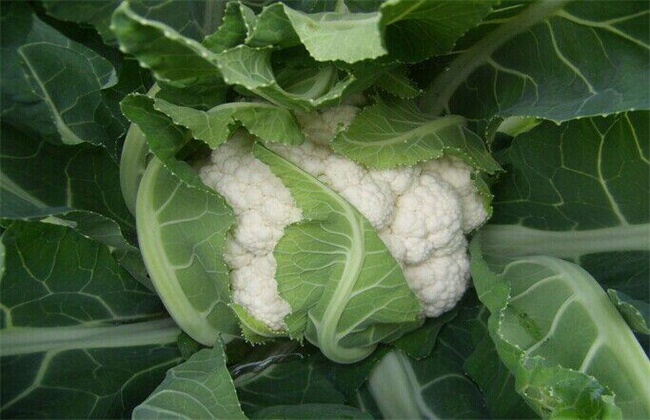
1. Disease symptoms
When dry heart rot occurs in cauliflower, at first the edges of the top leaves appear water-soaked and semi-transparent, or gradually turn light yellow, and the top section gradually wilts and shrinks into a white dry band, seriously hindering the heart growth of the cauliflower, causing the leaves not to protect the curd, affecting the color of the curd, and also causing the curd to turn yellow or purple, seriously affecting its market quality. In severe cases it may also cause a serious reduction in curd yield.
2. Causes
There are many causes of dry heart rot in cauliflower. For example, excessively high soil solution concentration prevents the roots from normally absorbing nutrients and water, and also causes burning, ultimately leading to dry heart rot; applying too much nitrogen fertilizer causes the plant to resist absorbing other elements, producing dry heart rot; soil salinization and poor irrigation water quality are also triggering causes of dry heart rot. This disease is most severe during the curd-forming stage of cauliflower, and during storage it also continues due to physiological activity. When calcium fertilizer application stops, dry heart rot also tends to occur abnormally.
3. Control methods
① Because most cultivation on the market today is in greenhouses, concentrated production, highly intensive cultivation and many years of continuous cropping cause calcium deficiency in the soil, so a reasonable crop rotation system is needed to avoid calcium deficiency in the plot. This can not only effectively control dry heart rot in cauliflower, but also promote better crop growth and development, helping increase yield.
② When planting, choose plots with good irrigation conditions, level the land, and water scientifically at the right time, especially watering promptly when high temperature and drought occur in the early growth stage. Use soil testing and formula fertilization technology, and pay attention to a reasonable combination of nitrogen, phosphorus and potassium, so as to avoid one-sided application of nitrogen fertilizer or excessive nitrogen fertilizer application. On this basis, pay attention to supplementing calcium and manganese. You can spray 0.7% calcium chloride solution and 0.7% manganese sulfate, choosing to spray the heart leaves when cauliflower has 8-10 leaves; the effect of supplementing calcium and manganese is relatively good.
The above is an introduction to the causes of dry heart rot in cauliflower and control methods. We hope it can help you. To learn more related knowledge, please stay tuned to us.