What are the precautions for fertigation of greenhouse vegetables in winter?
In the process of vegetable cultivation, fertilization is essential, and most of the time it is done by fertigation. However, if the fertigation is done improperly, some vegetable growth problems will appear, so attention should be paid to these. So what should be noted for fertigation of greenhouse vegetables in winter? Follow the editor to take a look.
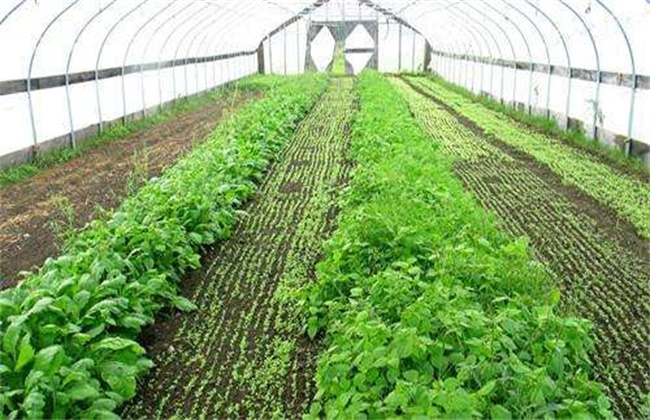
1. The fertilizer amount should not be too large
In winter, both the greenhouse temperature and the low temperature are relatively low. When vegetables grow in this environment, the absorption and utilization rate of fertilizer by the root system is relatively low. If fertilization is still carried out according to the conventional amount, a large amount of fertilizer will accumulate in the soil, making the soil solution concentration too high and the vegetable root system damaged, resulting in root burn or red root. In severe cases, it will cause leaf shrinkage, stiff fruit, and dead plants. Therefore, for winter fertigation, attention must first be paid to the fertilizer amount. Generally, the fertilizer amount is about half of the conventional fertilizer amount.
2. The water amount should not be too large
In the cold winter season, water temperature that is too low will also have a great impact on vegetable growth. In the greenhouse, the water used for watering is generally about 10-14 degrees. After fertigation, the low temperature will drop significantly, and it will also cause deterioration of soil aeration, triggering root rot, which will also cause the heart leaves of vegetables to turn yellow, directly affecting the growth and development of vegetables. Therefore, winter fertigation requires attention to the water amount and also to the water temperature. Water close to the ground temperature can be used for fertigation, which can stabilize the ground temperature.
3. Fertilize according to soil moisture and weather
When soil moisture is relatively high, it is not advisable to apply fertilizer by fertigation, so as to avoid affecting soil aeration and causing root rot, yellowing leaves, and other damage. If fertilizer is urgently needed, foliar fertilizer can be applied first, and fertigation can be carried out after the soil moisture is suitable. Fertigation should also depend on the weather. It is best to choose to carry out fertigation when the weather turns clear after a cold wave, so as to avoid the situation of consecutive cloudy and rainy days after fertigation. If consecutive cloudy and rainy days occur after fertigation, the ground temperature is difficult to recover, and the humidity in the greenhouse is relatively high, which will cause great damage to vegetables and aggravate the occurrence of diseases.
4. Prevent gas damage
The winter temperature is relatively low, so the greenhouse is closed most of the time. If nitrogen fertilizer or other fertilizers containing nitrogen are applied by fertigation, ammonia gas and nitrogen gas will be continuously volatilized during decomposition. If ventilation and air exchange are not carried out for a long time, harmful gases will continue to accumulate. When the concentration is too high, the stems and leaves of vegetables will change color, and gas damage will occur. Therefore, in the low-temperature season, first of all, avoid applying fertilizers with relatively high nitrogen content, and then properly ventilate and exchange air after fertigation, so as to avoid phytotoxicity.
The above is an introduction to the precautions for fertigation of greenhouse vegetables in winter. I hope it can help you. To learn more related knowledge, please follow us.