Causes of Few Pods in Early Spring Edamame and Control Methods
Edamame is planted relatively early, generally starting in early spring. However, because of this early timing, there are many issues to watch out for, and the most serious is few pods. So what causes few pods in early spring edamame? How should it be solved?
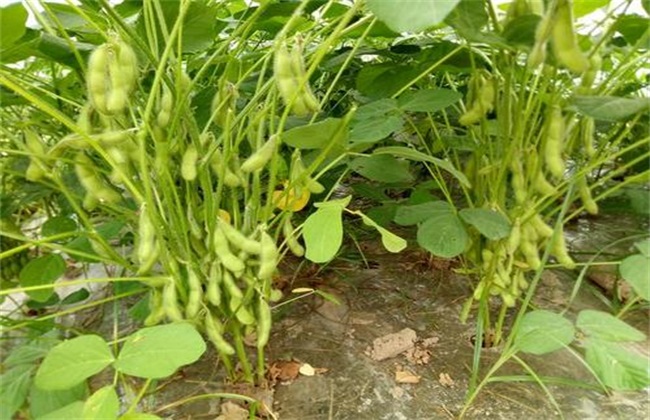
1. Temperature too low
The growing temperature for edamame generally needs to be above 15°C, while its flower bud differentiation requires an even higher temperature, generally needing to exceed 20°C for normal differentiation, with the fastest differentiation rate at around 24°C. In early spring, large temperature differences are very likely, and when the nighttime temperature is too low, edamame flower buds cannot differentiate, leaving no room for pod growth, so naturally there are fewer pods. During this period, cold protection must be done well. If the low temperature persists, it is best to prepare plastic film to provide edamame with a suitable temperature range for growth.
2. Disease threat
Disease is a problem edamame must face, and many edamame diseases affect pod growth. Diseases such as anthracnose and downy mildew all affect pods to a certain degree. These diseases cause insufficient nutrients in the pods, making them wither and drop, and in severe cases cause the entire plant to die. Secondly, some insects devour newly emerged pod sprouts, preventing them from growing, so naturally there are fewer pods. In daily management, check the specific condition of edamame plants more often, treat according to the disease, understand which diseases are more likely to appear at each stage, and prevent them in a targeted way to reduce losses.
3. Insufficient water
The pod growth period has a huge demand for water. If water is insufficient, it directly prevents pods from developing and forming, and some that have already formed may also drop off. This is because during pod growth, water is needed to transport nutrients into the pods for their development. If water is insufficient, nutrients cannot be supplied, and naturally there will be fewer pods later. During the pod stage, it is best to be prepared to water multiple times to ensure soil moisture, regularly check the moisture level of the soil, and avoid drought in the soil during the pod-setting period.
4. Lack of fertilizer
Fertilizer during the pod-setting period must be ensured. At this time, the demand for nitrogen and phosphorus fertilizer is relatively high. Nitrogen fertilizer gives the plant more branches, while phosphorus fertilizer promotes pod growth on each branch. Lack of nitrogen fertilizer leads to weak plants and few branches capable of setting pods, while lack of phosphorus fertilizer leads to no pods on the branches. At this time, fertilize according to the situation. For weak plants, first apply nitrogen fertilizer, build up the plant, and then apply phosphorus fertilizer. For plants with good growth but no pods, apply phosphorus fertilizer as appropriate and observe the situation.
The above are some of the causes of few pods in early spring edamame. The environmental factors in early spring fluctuate greatly, unlike other times when they are more stable, so growers should pay more attention to inspecting. First determine the cause, then solve the problem. In this way, the situation of few pods can be effectively solved.