What are the methods to prevent low-temperature freezing injury in Chinese cabbage?
Winter temperatures are relatively low, and cold air can also arrive suddenly, catching people off guard. Many people often work hard for a whole season, only to see their harvest ruined by a single freezing injury. So how can Chinese cabbage be prevented from being damaged by freezing? Here are some control measures that may help you.
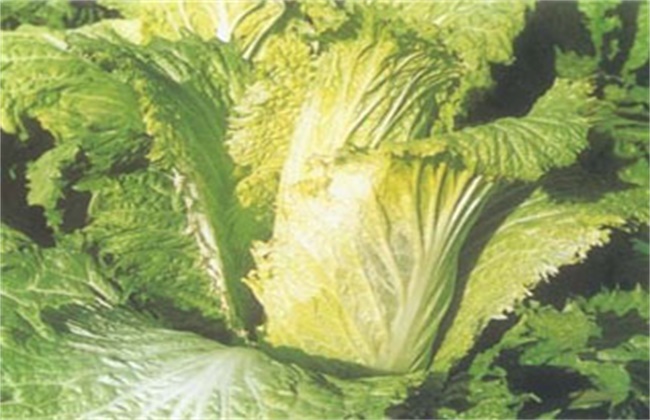
I. Low-temperature freezing injury
1. Low-temperature damage
Low-temperature damage, also called chilling injury, mainly occurs in the middle and late stages of head formation in autumn Chinese cabbage. When the temperature is below 10°C, the growth rate of Chinese cabbage is very slow, and once it is below 5°C it almost stops growing. Therefore, in the north, because cold waves come early and the temperature drops rapidly, insufficient heat often leads to loose heads and low yield and quality.
2. Freezing injury
In the northern regions of China in November, generally about two weeks before the harvest of autumn Chinese cabbage, a sudden cold wave or snowfall occurs and the temperature stays below 0°C. At this time, Chinese cabbage has not yet adapted, and because its water content is relatively high, the lower temperature often causes ice to form in the intercellular spaces. When the temperature rises again, the water can return to the cytoplasm and the cells can recover to normal. But if the temperature suddenly drops below 0°C, the leaves are difficult to recover after freezing, and normal freezing injury becomes severe.
II. Control measures
1. hardening seedlings at the seedling stage
When raising and transplanting seedlings, after the seedlings have emerged completely, the seedbed should be ventilated, and as the weather becomes warmer the ventilation should be gradually increased to subject the seedlings to low-temperature hardening, so as to improve the cold resistance of the seedlings and help them adapt to the low-temperature environment.
2. Adding protective facilities
First, set up windbreaks, which can block cold wind. The distance between windbreaks should be kept relatively close, generally about 2 times the height of the windbreak. Second, plant in furrows and cover with plastic film. When planting vegetables in early spring, the furrow planting method can be used. The furrow depth should exceed the height of the vegetable seedlings, and then plastic film can be laid over the furrow. Note that the film must not press down on the vegetable seedlings, otherwise the tips of the seedlings will suffer freezing injury.
3. Temporary heating
When a cold wave comes, simple coal stoves can be set up in the seedling shed for temporary heating to raise the temperature inside the shed and prevent freezing injury. However, open flames should not be used, so as to avoid causing a fire.
4. Watering
After the cold air passes, when the weather is clear, there is no wind or only a light breeze at night, and the temperature drops rapidly, especially when the ground surface temperature drops below 0°C and frost forms, a large amount of well water can be poured onto the ground to raise the ground temperature.
5. Heavy application of winter manure
Before overwintering, 1000-500 kg per mu of pig and cattle manure or local mixed fertilizer can be applied between the rows of Chinese cabbage. This can raise the ground temperature by 2-3°C and also play a role in applying in winter for use in spring.
6. Smoking
Before frost occurs, smoking in the field can effectively reduce and avoid frost damage. However, note two things: first, the smoke fires should be somewhat dense so that the smoke screen can basically cover the whole field; second, the ignition time should be appropriate, and it should be on the upwind side.
The above is an introduction to how to prevent low-temperature freezing injury in Chinese cabbage. We hope it can help you. To learn more related knowledge, please keep following us.