What to Do About Vegetable Hormone Poisoning? Causes and Mitigation Measures
In the process of growing vegetables, using plant growth regulators has an excellent effect on regulating vegetable growth, increasing yield, and improving quality, but there are also many cases of hormone poisoning caused by improper use on vegetables, so what should be done about vegetable hormone poisoning? Let's take a look together.
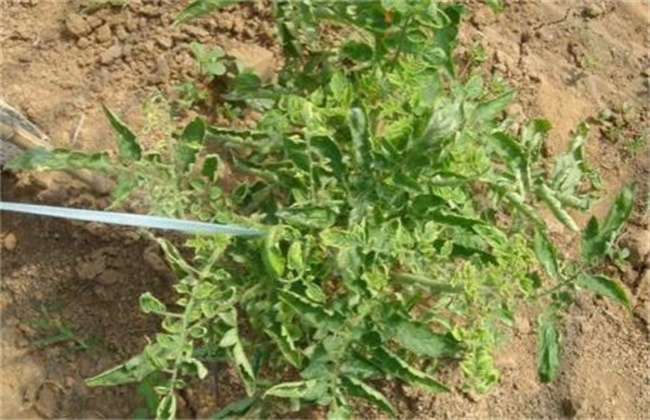
I. Symptoms of Poisoning
Hormone poisoning mostly manifests as the upper leaves becoming narrow, thin, and twisted, taking on a “chicken claw” shape, with leaves that are hard and thick, flowers that are small or do not open, deformed fruit, and declining plant vigor, which seriously affects later fruit set and yield. Moreover, these symptoms are very easily confused with the damage caused by viral diseases and mites, so attention must be paid to distinguishing them. Viral diseases have an obvious center of onset, and when they occur they generally manifest as leaf yellowing and stunted plant growth; hormone poisoning, on the other hand, has no obvious center of onset, and when bad weather lasts for a long time, large areas of leaf deformity symptoms are extremely likely to occur.
II. Causes of Hormone Poisoning
1. Variety characteristics. Some varieties are relatively sensitive to low temperatures, and after the temperature drops, the plants grow slowly and their own metabolism is relatively poor. In addition, the endogenous hormones produced by seedlings in an unfavorable environment cannot be eliminated from the body in time, causing hormone poisoning in seedlings at low temperatures.
2. Growth-control drugs. When growth-control drugs are used in too large a single dose or too frequently, drug-induced hormone poisoning is extremely likely to occur.
3. Unsuitable concentration of flower-dipping agents. During vegetable cultivation, because there are many flowers, multiple flower- and fruit-preserving operations are needed, and if the concentration of the flower-dipping agent is too high or flowers are dipped repeatedly, hormone poisoning in the upper part of the plant is extremely likely to be induced.
III. Mitigation Measures
1. After vegetables suffer hormone poisoning, the first thing to do is reasonably raise the temperature and replenish water, and combine this with drugs to promote the plants' recovery of vigor; the main drugs should not be sprayed in excess, because abuse will cause hormone poisoning.
2. Next is to reasonably choose flower-dipping agents with a suitable concentration, so as to avoid hormone poisoning caused by too high a concentration.
3. After poisoning occurs, rooting agents and water-soluble fertilizers can be applied in time, choosing regular products from major manufacturers, to promote rapid rooting and recovery of plant vigor.
4. When hormone poisoning is relatively mild, first identify the cause, then reduce the amount of hormones applied, spray functional foliar fertilizer on the leaves for mitigation, and apply biological bacterial agents or functional rooting agents to the soil.
The above is an introduction to the causes of vegetable hormone poisoning and mitigation measures. We hope it can help you. To learn more related knowledge, please stay tuned to us.