How to properly control excessive growth in zucchini? These technical points need to be mastered
Zucchini is a relatively popular vegetable in recent years, with a crisp and refreshing taste that is deeply loved by everyone. However, during the process of growing zucchini, many friends always encounter the phenomenon of excessive vegetative growth. So how should excessive growth in zucchini be prevented and controlled? Let's take a look together with the editor.
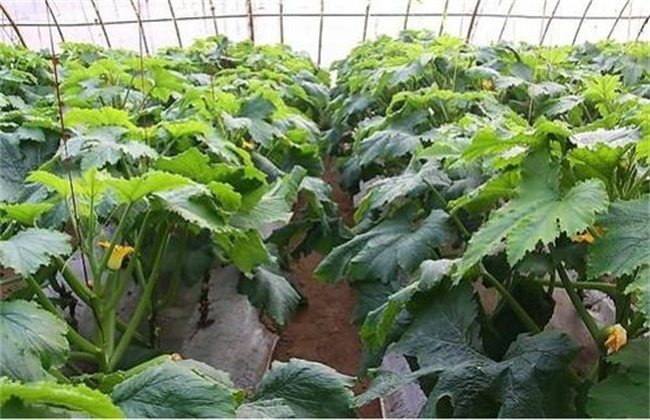
1. Control temperature
The suitable growth temperature for zucchini is around 25 degrees. When there is sufficient growth, once the temperature is too high, it will cause excessive vegetative growth in the plants. Therefore, when managing overwintering zucchini, attention should be paid to temperature regulation. Do not blindly raise the temperature to promote plant growth. Ventilation and air exchange should be appropriately strengthened to ensure the temperature is suitable. At the same time, when the temperature is too low, ventilation and air exchange should be reduced to ensure the temperature remains stable at around 25 degrees.
2. Control humidity
Zucchini likes a relatively moist environment and is also fairly drought-tolerant, but if the soil humidity is too high, it can easily cause excessive vegetative growth. Therefore, when planting, if the soil is not overly dry, do not rush to water. When the plants show signs of wilting, watering should also not be done by flooding irrigation; instead, water should be applied in small amounts.
3. Control fertilizer
Zucchini has different fertilizer needs at each growth stage. During its fruiting stage, the demand for potassium fertilizer is the greatest. However, if at this time more potassium fertilizer is not applied and instead nitrogen fertilizer is continuously applied, it is very likely to cause excessive vegetative growth in the plants and also affect the growth and development of the fruit, causing an imbalance between vegetative growth and reproductive growth. Therefore, during the fruiting stage, the application of nitrogen fertilizer should be controlled, and phosphorus and potassium fertilizers should be increased. Potassium fertilizer can also be sprayed on the leaves as a foliar fertilizer through ventilation, which can promote fruit enlargement and increase yield and quality.
4. Chemical growth control
Applying chemicals to control excessive growth is a commonly used method in zucchini production. Easily, 5-7 days after seedling recovery, spray the plants with 15% paclobutrazol at 1500 times dilution. However, when spraying, be careful not to spray only the growing point, so as to regulate the growth of zucchini. After fruit set, spray again with 15% paclobutrazol at 2000 times dilution to promote flowering and preserve fruit.
The above is an introduction to the techniques for controlling excessive growth in zucchini. We hope it can help you. If you want to learn more related knowledge, please follow us.