Celery Winter Planting Techniques and Management Key Points
Celery is a vegetable that many people greatly enjoy eating, and it has considerable market demand across all regions of China. Celery cultivation is relatively simple, and in general the yields are very good. Celery is generally best planted in autumn, and when winter arrives, the temperatures are very low. So how should we plant celery in winter? Below, the editor brings you the winter planting techniques for celery. Let's take a look!
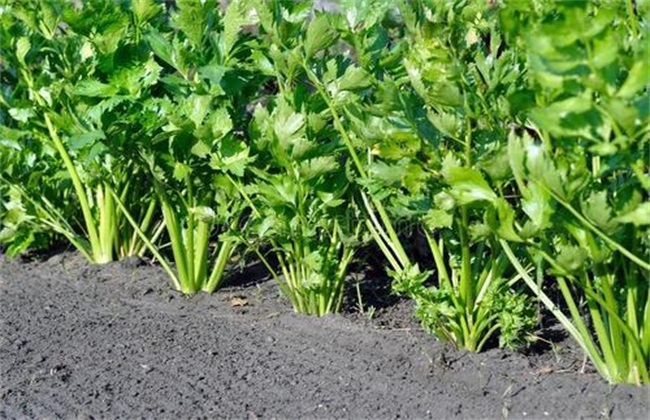
1. Sowing and Raising Seedlings
In August each year, carry out seed collection work and sow in stages, with the supply period running from November to March. First, we need to prepare the seedling bed, ensuring the seedling bed soil is loose, has good permeability, and drains and irrigates normally. Then apply sufficient farmyard manure as base fertilizer, and level and finely break up the soil. Then treat the seeds and do a good job of soaking and sprouting them. Next, water the seedling bed thoroughly, maintain good soil moisture, and sow at the right time. After even sowing, cover with a layer of fine soil, and during the seedling stage do good management work to ensure the seeds can germinate and emerge normally.
2. Land Preparation and Transplanting
When planting celery in greenhouses in winter, celery's growth period is relatively long, but the yield is also relatively high, so its demand for nutrients is very great. Therefore, before transplanting, we must do a good job of deep plowing and land preparation, applying about 4500kg of decomposed farmyard manure per mu, along with an appropriate amount of superphosphate, and plow it into the soil. Different varieties of celery also have different growth periods. Therefore, the transplanting seedling age must be determined according to the variety. Before transplanting, water the seedling bed sufficiently to ensure the seedling roots can fully contact the soil and improve the transplanting survival rate. Finally, when transplanting, transplant mainly with soil attached to avoid damage to the seedling roots.
3. Management After Transplanting
In winter the temperature is very low, so after transplanting, we must first do a good job of installing the greenhouse cover to keep the seedlings warm. However, the temperature should not be too high either; if it exceeds 20 degrees, it will cause poor growth of celery. The temperature must not drop below zero degrees, as it is prone to frost damage. Then do a good job with fertilizer and water, usually watering once about every three days, and apply appropriate topdressing after the seedlings have recovered. Then one month after transplanting, provide sufficient nutrients for celery's new root and new leaf growth, applying about 18kg of nitrogen-phosphorus-potassium fertilizer to avoid malnutrition of the seedlings.
4. Harvesting and Storage
Celery can be harvested when it grows to about 65 cm, and the specific time can be determined according to the market and the planting crop cycle. Harvesting can be done all at once or in multiple harvests. After the celery plant's heart is filled out, it should be harvested promptly, otherwise celery is prone to hollowing and splitting. The harvesting method is mainly cutting at ground level, keeping the base and leaf stalks from separating; after removing yellow leaves and soil, it can be marketed. There are many storage methods for celery. Generally, in areas where winter is not very cold, the deep trench heel-in method can be used for storage. In colder areas, greenhouses, vertical trenches, etc. are needed for heel-in storage.
The above is a brief introduction to celery winter planting techniques. That's all for today's introduction. This article is for reference only, and we hope it can help everyone!