Detailed Explanation of Winter Seedling Raising Techniques for Zucchini
Zucchini is suitable for spring or autumn sowing, when the climate is suitable for its growth and development. However, to meet market demand, many growers often use greenhouse technology to plant it in winter. When planting zucchini in winter, the first thing to do is to master seedling raising techniques. So how should zucchini seedlings be raised in winter? Let's learn about it together with the editor.
1. Land preparation and fertilization
Before planting, first choose varieties with strong disease resistance, high yield, and good appearance, as this is the foundation of high yield. Zucchini prefers slightly acidic soil, with a suitable soil pH between 5.5-6.8, so this should be taken into consideration when selecting land. In addition, zucchini has a strong fertilizer requirement. If too much nitrogen fertilizer is applied, it can easily cause excessive vegetative growth of stems and leaves, resulting in severe flower and fruit drop as well as a high incidence of pests and diseases. When fertilizing, nitrogen, phosphorus, and potassium fertilizers should be applied as reasonably as possible. Generally, for every 1000 kg of zucchini produced, 3.92 kg of pure nitrogen, 2.13 kg of phosphorus, and 7.29 kg of potassium are consumed.
2. Sowing and seedling raising
Whether using seedbed seedling raising or nutrition pot seedling raising, the first thing to do before sowing is to prepare the nutrient soil, which is the key to cultivating strong zucchini seedlings. Generally, take three parts of fertile garden soil in which melons and fruits have not been planted within 3-4 years, one part of decomposed barnyard manure, and add a small amount of plant ash. After mixing and sieving, put it into nutrition pots or make beds, then prepare for sowing. After sowing, cover with 2 cm of soil. In addition, to prevent underground pests, a small amount of bran mixed with methamidophos can be scattered on the surface of the bed, after which a small arch shed is closed to keep warm and retain moisture until seedlings emerge.
3. Standards for strong seedlings
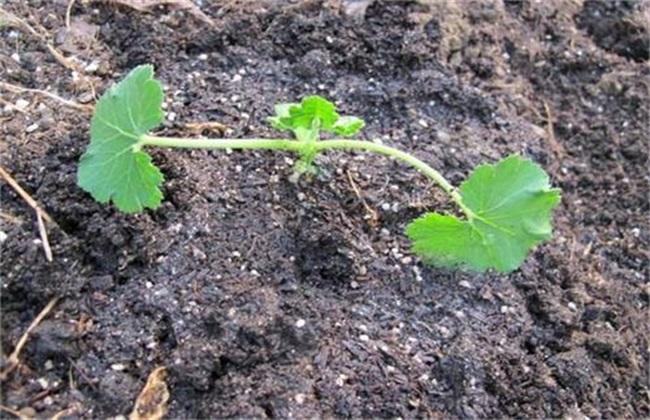
After seedlings emerge, management should be strengthened to cultivate strong seedlings. The standards for strong seedlings are a seedling age of about 30 days, 3-4 true leaves, and a plant height of about 10 cm. The stem diameter is about 0.5 cm, the length of the petiole is equal to the length of the leaf blade, the leaf color is dark green, the cotyledons are intact, and the root system is well developed. Such strong seedlings have strong growth vigor, a high survival rate after planting, and also higher yield.
4. Temperature management
Winter temperatures are relatively low. If zucchini is to grow normally, temperature regulation is a key point. Through greenhouse technology, the temperature should be maintained between 20-25 degrees during the day. If it exceeds 25 degrees, ventilation and cooling measures should be taken. At night, it should be maintained between 10-15 degrees, and it should not be lower than 6 degrees at the lowest. At the same time, watering should be controlled during this period. When water is lacking, a small amount of light watering can be done appropriately, but after watering, attention should be paid to ventilation to reduce air humidity and prevent diseases.
The above is an introduction to winter seedling raising techniques for zucchini. I hope it can help you. To learn more related knowledge, please follow us.