Reasons for Low Fruit Set in Bell Peppers and How to Improve It
Bell peppers often run into the problem of poor fruit set, with flower and fruit drop causing an imbalance between vegetative growth and reproductive growth, excessive plant vigor, and a serious reduction in yield. Many growers believe that controlling water and fertilizer can curb excessive vigor, but the result is that the plants grow more and more vigorously and setting fruit becomes more and more difficult. So how can the fruit set rate of bell peppers be improved? Follow along with the editor to find out.
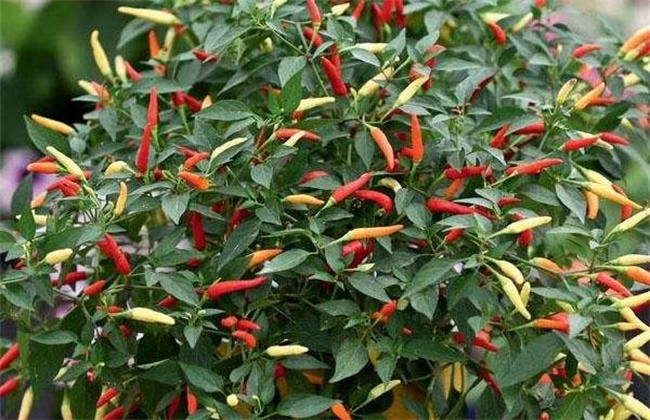
1. Cooling and ventilation
When the temperature is above 32°C, flower and fruit drop occurs, which seriously affects the fruit set rate of bell peppers. Therefore, at noon during high temperatures, ventilation should be strengthened, while shade nets should be used for shading, or a spray should be applied to lower the temperature. This can reduce flower and fruit drop and improve the fruit set rate to a certain extent.
2. Regulating humidity
Humidity is also quite important for the pollination and fertilization of bell peppers. Generally speaking, the suitable air humidity for bell peppers is around 70%-80%. During the peak period of flowering and fruit set, humidity that is too low or too high will affect normal pollination and fertilization. So when humidity is too low, a sprayer can be used to spray clean water on the leaves to raise air humidity; if humidity is too high, then ventilation is needed to remove moisture.
3. Reasonable fertilization
Boron and phosphorus play an important role in promoting flower bud differentiation and improving the fruit set rate. Therefore, in the early stage of flowering and fruit set, borax at 600 times dilution or Sulubor at 1200 times dilution can be sprayed on the leaves to supplement boron fertilizer. Applying potassium fertilizer by irrigation can improve the plant's drought resistance and heat resistance. In addition, during the peak fruiting period, calcium fertilizer can be added at a concentration of about 0.5%, or calcium nitrate can be applied along with water at 5-8 kg per mu. This can not only enhance plant resistance and improve pollination performance, but also improve fruit quality and prevent physiological diseases such as blossom-end rot, sunscald, and bud blight.
4. Applying growth regulators
When plants show excessive vegetative growth, chlormequat at 750 times dilution plus 30 ppm naphthaleneacetic acid can be sprayed on the leaves for control, or Aiduoshou solution at 800-1000 times dilution can be sprayed, which can promote the shift from vegetative growth to reproductive growth. In the early period after transplanting, fertilizer and water management need to be strengthened so that the plants grow well. When excessive growth occurs and fruit set fails, promptly drench the roots or apply Guobeier or Yiguosu along with irrigation water, which can significantly enhance the plant's natural fruit set rate.
5. Pest and disease control
Pests and diseases can also make fruit set difficult in bell peppers, and timely spraying is needed for control. Beta-cypermethrin, imidacloprid, and other pesticides can be sprayed to control pests such as tobacco budworm, cotton bollworm, aphids, and red spider mites. Common diseases include viral disease, anthracnose, and soft rot, and targeted treatment should be applied promptly once they are found.
The above is an introduction to how to improve the fruit set rate of bell peppers. We hope it can help you. If you want to learn more related knowledge, please stay tuned to us.