What are the control methods for dead plants in greenhouse vegetables
Greenhouse vegetable cultivation is now a major planting model for vegetable growing in our country. At present, greenhouse cultivation is basically the main method used in various regions of our country. Greenhouse cultivation can effectively improve vegetable yield and quality, and it is welcomed by many people. However, when growing greenhouse vegetables, vegetables are often prone to dead plants. So how should dead plants in greenhouse vegetables be controlled? Below, the editor will briefly introduce this to everyone. Let's take a look together!
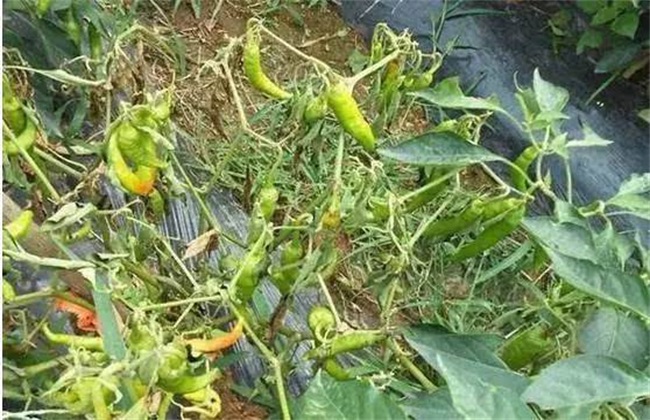
1. Soil disinfection
When growing greenhouse vegetables, we must always observe the growth of the vegetables. When dead plants are found, the dead plants must be promptly taken out of the greenhouse. Then use quicklime to thoroughly disinfect the dead plant holes and the surrounding soil to prevent the spread of pathogens and the expansion of the disease. Agents such as fosetyl-aluminum and hymexazol can also be used for spraying and disinfection. Each spraying must ensure that the interior of the soil is soaked through to ensure effectiveness. However, the main focus should still be on prevention. Strengthening prevention can avoid some unnecessary losses.
2. Root irrigation with chemicals
As just mentioned, the main focus for dead plants in vegetables should still be prevention. Therefore, when planting vegetables, for vegetables without dead plants, chemicals such as metalaxyl-M and mancozeb can be used for root irrigation to enhance the disease resistance of the vegetables. There are many chemicals that can be used, such as kasugamycin and copper hydroxide. However, note that the dosage must be well controlled and must not be excessive, to prevent phytotoxicity and achieve the opposite effect. We can also add an appropriate amount of rooting agent to the chemical solution, which can improve the resistance of the root system and also achieve the purpose of protecting the root system.
3. Control watering
After the appearance of dead plants in vegetables, watering must be stopped, the planting holes must be disinfected in time, and root irrigation with chemicals should be done well. Then use chemicals such as hymexazol to fully disinfect the greenhouse. Reduce the pathogen base in the greenhouse and avoid the spread of pathogens with water. However, during disinfection and root irrigation, although pathogens can be eliminated, microorganisms in the soil will also die as a result. Therefore, after treatment, we must promptly apply biological bacterial agents to the soil to increase the number of beneficial bacteria in the soil and avoid pathogen proliferation. It is also very beneficial to root growth and can strengthen the stress resistance of the root system. However, the interval between disinfection and the use of biological bacterial agents should be maintained at about 10 days to ensure their effectiveness.
4. Improve the soil
In fact, dead plants in vegetables are a problem that often occurs during cultivation. However, in compacted and salinized soil, the situation is more serious. Moreover, if the temperature is low and there is excessive watering, then the roots lack oxygen, causing the fibrous roots to rot, triggering various diseases, and naturally resulting in dead plants. Therefore, after dead plants appear, although timely control is necessary, the first priority is still to solve the soil problem. So soil improvement and maintenance work is very important. Providing a good soil environment for vegetables is the key measure for controlling dead plants in vegetables.
The above is a brief introduction to how to control dead plants in greenhouse vegetables. That is all for today's introduction. This article is for reference only, and I hope it can help everyone!