Detailed Explanation of Tomato Color-Breaking Stage Management Techniques
Tomato is a vegetable that many people enjoy eating very much. It can be stir-fried or served cold, and it is a vegetable with very high nutritional value, welcomed by many people. Because the tomato planting area is still relatively large now, and when planting tomatoes, management work is very important. Especially during the color-breaking stage. So how should tomatoes be managed during the color-breaking stage? Let's take a look together below!
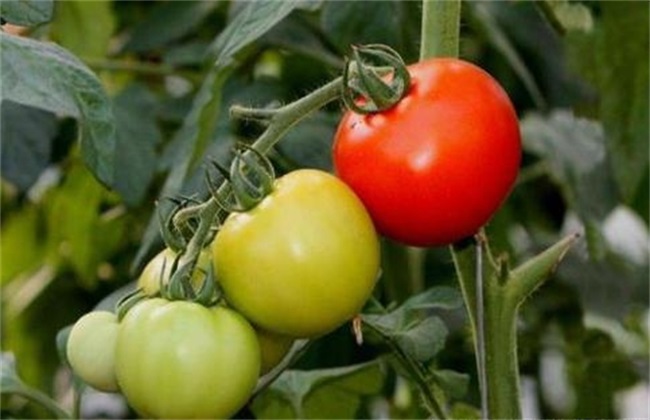
1. Scientific fertilization
The tomato color-breaking stage is a very important growth period. This period directly affects the yield and quality of tomatoes. Therefore, we must first do a good job in fertilization. When fertilizing, give priority to organic fertilizer and combine it with various nutrient elements. Most importantly, apply an appropriate amount of potassium fertilizer. An appropriate amount of potassium fertilizer is very beneficial to the expansion and coloring of tomato fruits. It should be noted that potassium fertilizer should be applied before the color-breaking stage, because the plant cannot absorb potassium fertilizer immediately and needs a certain amount of time before it can be fully absorbed and utilized. If it is applied during the color-breaking stage, then it will basically have no effect.
2. Temperature regulation
During the tomato color-breaking stage, temperature regulation is relatively important. Properly increasing the temperature helps tomatoes color. However, be sure to pay attention to the degree of temperature increase. Tomato fruits generally ripen from the bottom upward, so if the temperature is changed for only one or two trusses of fruit, then it is very unfavorable to the overall growth. Moreover, if the temperature remains too high for a long time, then tomatoes are prone to excessive vegetative growth, flower and fruit drop, and various other phenomena. Therefore, during the tomato color-breaking stage, it is enough to keep the daytime temperature at around 28°C and the nighttime temperature at around 15°C.
3. Reasonable leaf thinning
After tomatoes enter the middle and late stages of growth, leaf thinning work should be done well. Reasonable leaf thinning work can improve the plant's air and light permeability and promote fruit coloring. However, the degree of leaf thinning must be controlled well, and excessive leaf thinning must not be done. During the tomato color-breaking stage, the targets for leaf thinning are mainly useless leaves such as old leaves and yellow leaves at the lower part of the plant and diseased leaves on the whole plant. There are also some leaves that block sunlight. Be sure not to remove the leaves below the reddening fruits. Otherwise, it will affect the plant's photosynthesis and lead to reduced nutrient accumulation, which will not only affect fruit coloring, but also hinder fruit expansion.
4. Pest and disease control
Finally, of course, pest and disease control work should be done well. The humidity inside the greenhouse will rise somewhat, so the incidence of diseases will also increase accordingly. Therefore, during the color-breaking stage, we should focus on doing a good job in pest and disease control, such as gray mold and early blight. First, ventilate reasonably to remove moisture, and then appropriately spray pesticides for prevention. After a disease occurs, pay attention to promptly identifying exactly what disease it is. Then take corresponding measures and choose the corresponding pesticide for control. When spraying pesticides, they can be used together with some foliar fertilizers such as chitin and amino acids, which can effectively enhance leaf resistance.
The above is a brief introduction to tomato color-breaking stage management techniques. That is all for today's introduction. This article is for reference only, and I hope it can help everyone!