A detailed guide to the correct method of pinching out tomatoes
The tomato is a vegetable crop that can be eaten raw or used to stir-fry all kinds of dishes. When used in stir-fries it also enhances the freshness of the flavor, which is why it is so popular with many people. As a result, there are now a great many people growing tomatoes. When growing tomatoes, pinching out is an essential task that greatly helps the tomato yield. So how should tomatoes be pinched out? Below, the editor brings you the method for pinching out tomatoes. Let's take a look!
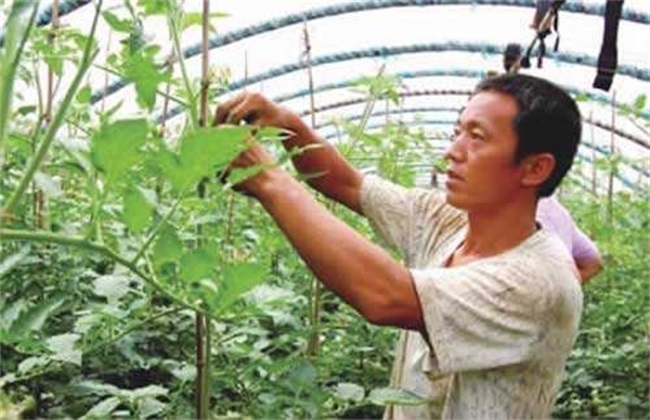
1. Timing of pinching out
Before pinching out, we must first determine the right time to pinch out the tomatoes. Generally, the best time to pinch out a tomato plant is when the plant has produced its last truss of flowers. When pinching out, keep about 3 leaves on the last truss of fruit. Once the leaves have matured, they can provide the plant with sufficient influence and promote the swelling of the top truss of fruit. This prevents the top fruit from developing poorly due to a lack of sufficient nutrients, which can lead to deformed fruit and so on. It can also provide shade for the fruit, promote the coloring of the tomatoes and prevent physiological diseases.
2. Pinching out method
After the tomatoes are planted out, the first inflorescence of the tomato plant must first be treated with hormones. This causes a strong shoot to grow from the internode below the first inflorescence, and then, after three or four inflorescences have grown, keep the first two leaves of the fourth inflorescence and pinch out the growing tip. Cultivate this as the second basic branch. The inflorescences on each branch should be determined according to the plant's growing space and vigor; under normal conditions, if there are too many side branches, the yield tends to decrease. Therefore, the number of inflorescences per tomato plant should be kept at around 12, and must not exceed 15 at most.
After the flowers are treated, it takes about two months for the tomatoes to reach the market. Then, during the color-turning stage, if they are affected by high temperatures and strong light, the production of lycopene in the tomato fruit is blocked, making the tomatoes prone to producing many green fruits. Therefore, when we pinch out, we should mainly leave shoots at the leaf axils of the upper leaves, and then pinch out the growing tips when the side branches have grown to 3 leaves. After a long period of continuous pinching out, be careful to remove leaves appropriately. This ensures the growth of the side branches and prevents poor development of the flower buds. When removing leaves, all the leaves on the lower part of the main stem can be removed, and the leaf stalks should also be cleared away to prevent gray mold.
3. Points to note
Many growers pinch out the tomatoes as soon as the top truss of flowers has grown. At this time the top leaves of the plant have not yet grown out, which very easily leads to poor development due to a lack of nutrients in the plant. This increases the proportion of deformed flowers and deformed fruit and also has a great impact on fruit swelling, thereby causing a drop in yield. Moreover, the tomato fruit generally ripens when the light is strong, and if the top fruit lacks leaf shade, it is prone to sunscald, cracking and other undesirable conditions. Therefore, everyone must pay close attention when pinching out and wait until the top leaves have grown before pinching out.
The above is a brief introduction to the method of pinching out tomatoes. That is all for today's introduction. This article is for reference only, and I hope it can help you!