How to prevent and control peanut sclerotinia rot? A detailed guide to practical methods
Peanut sclerotinia rot is a relatively serious disease in the peanut cultivation process, mainly harming the roots and root crown, and can also harm the stems, leaves and pods. This disease generally reduces yield by 10-20%, causing great harm, so how should sclerotinia rot be prevented and controlled? Follow the editor to take a look.
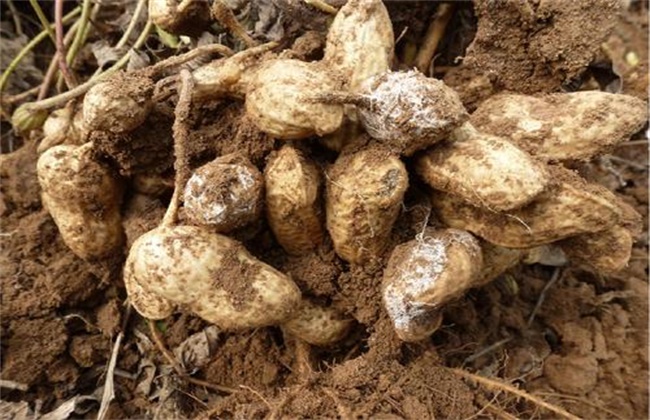
1. Disease symptoms
Peanut sclerotinia rot is the general term for large sclerotinia and small sclerotinia, and the symptoms caused by large sclerotinia are similar to those of small sclerotinia, but the former only occurs on the stems and vines, and produces larger sclerotia in the later stage. When leaves are infected, the lesions are dark brown, nearly circular, and when humid, the lesions become water-soaked, softened and rotted. When the stem is infected, the lesions become brown, or gradually turn dark brown, and finally blackish brown, collectively called stem soft rot, and the plants wilt and die. Under humid field conditions, the lesions will produce grayish brown mold-like substances and grayish white powdery substances, namely mycelium and conidia. After harvest, the pods turn brown, and black sclerotia are produced on the surface, causing the seeds to rot or shrink.
2. Transmission routes
The pathogen overwinters in the form of sclerotia in diseased residues, pods and soil, and the mycelium overwinters in diseased residues. After the temperature rises in the second year, the small sclerotia germinate to produce mycelium and conidia, and sometimes also produce apothecia, releasing ascospores that invade the plants through wounds. At the same time, they can also spread with wind and rain, and the mycelium can also directly invade the host. The large sclerotinia sclerotia, however, directly produce apothecia, release ascospores and carry out infection.
3. Prevention and control methods
It should be rotated with crops such as wheat, millet, corn and sweet potato, which can reduce the occurrence of the disease. During the growing period, deep intertillage should be carried out to bury the sclerotia directly into the soil, preventing the production of spores and reducing the chance of disease spread. Once diseased plants are found in the field, they should be pulled out in time and burned in a centralized manner. After harvest, remove the diseased plants in time, carry out intertillage, and bury the residual plants and sclerotia left in the field into the soil together, reducing the sources of inoculum and lessening the occurrence of the disease. In the early stage of the disease, chemicals can be sprayed for control, and sprayed once again after 7-10 days. The chemicals that can be selected include validamycin wettable powder, compound sclerotinia net, and iprodione wettable powder, etc.
The above is an introduction to the prevention and control methods for peanut sclerotinia rot. We hope it can help you. To learn more related knowledge, please follow us.