How to raise tomato seedlings in early spring? Key technical points explained in detail
Now, with the development of the vegetable-growing industry, the planting area of all kinds of vegetables is getting larger and larger. Tomatoes are naturally no exception, and more and more people are growing tomatoes now. As a result, competitive pressure is also growing. If you want to improve your competitiveness, then growing full, strong seedlings is crucial. Therefore, early spring seedling raising is something we cannot overlook. So below, the editor brings you the early spring tomato seedling-raising techniques. Let's take a look!
1. Seed treatment
Before raising tomato seedlings in early spring, we must first treat the tomato seeds. Do a good job of disinfecting and sprouting the seeds to prevent the seeds from carrying pathogens, and do a good job of preventing diseases such as leaf mold and canker. First, scald the seeds with warm water: put the seeds into hot water at about 55°C, and during soaking be sure to stir continuously for a quarter of an hour. Then soak them in hot water at about 30°C for 3 hours and remove. Then wrap them in a wet cloth and keep them at about 30°C to sprout. In addition, we can also use agents such as trisodium phosphate to soak and disinfect the seeds.
2. Seedbed preparation
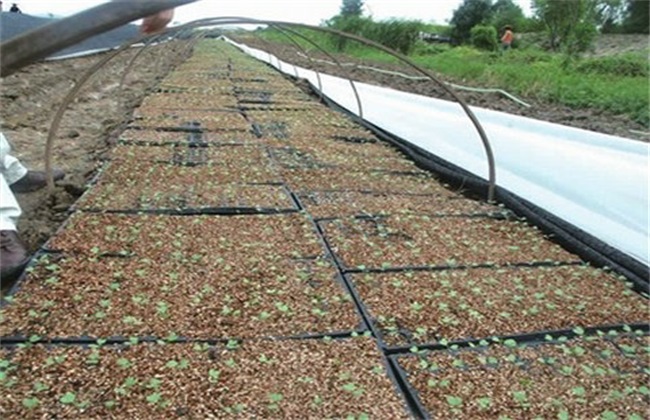
Once the seeds are ready, you should prepare the seedbed. Before sowing the seeds, first water the seedbed thoroughly, then spray the seedbed with agents such as Previcur. You can also use agents such as carbendazim for disinfection; when spraying carbendazim, it should be mixed with water, and after spraying, cover with plastic film for a period of time, about 3 days, to eliminate pathogens in the soil. Then be sure to apply sufficient base fertilizer; once the base fertilizer is sufficient, no topdressing is needed during the tomato seedling stage.
3. Temperature and humidity control
After the tomato seedlings emerge and all have sprouted, temperature control in the seedbed is very important. The temperature must not be too high, to ensure the seedlings grow robustly and to strengthen their cold resistance. Then, when the seedlings grow two true leaves and one heart leaf, you should do a good job of keeping them warm. If the temperature is too low, it will affect flower bud differentiation, causing serious flower and fruit drop and leading to reduced yield. During the seedling stage, generally no watering is needed; if the soil is too dry, then water at noon on a sunny day, do not water with cold water, and the amount of water should not be too large, to avoid waterlogging and root rot. You can scatter an appropriate amount of plant ash on the seedbed to absorb moisture.
4. Daily management
When growing tomatoes in early spring, we should pay attention to controlling light well. If the seedlings encounter continuous rainy weather and insufficient natural light during the growth stage, then the tomato seedlings will have their normal growth affected by being in a dark, weak-light environment for many days. Because with insufficient light, tomatoes cannot carry out photosynthesis, leading to reduced accumulation of nutrients and causing nutritional deficiency in the tomatoes. Therefore, pay attention to appropriately increasing light intensity, and on cloudy days also uncover and cover the straw curtains as normal, to ensure the tomatoes grow normally. In addition, we must also do a good job of pest and disease control to ensure yield and avoid some unnecessary losses.
The above is a brief introduction to early spring tomato seedling-raising techniques. That is all for today's introduction. This article is for reference only, and we hope it can be helpful to everyone!