What are the key points for bitter melon winter management? Read this and you will understand
Bitter melon is a fruit vegetable that many people like, and it is grown in large and small areas across our country. As winter arrives, the management of bitter melon should also be taken seriously. Winter temperatures are relatively low, which still has a certain impact on the growth and development of bitter melon. Let us take a look at the key points for bitter melon winter management below.
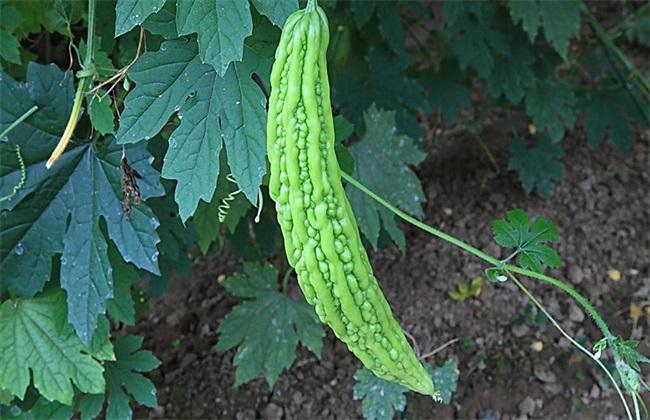
1. Temperature regulation
Winter temperatures are relatively low, so the first thing to do when growing bitter melon in winter is to control the temperature. Bitter melon likes warmth and light. During the fruit-setting period, bitter melon is relatively sensitive to temperature changes. During the day, the temperature should be controlled at around 28 degrees, and it should not be too high. At night, it should be kept at around 12 degrees. If it is lower than 12 degrees, it will hinder the flower bud differentiation of bitter melon, leading to a decrease in the flowering and fruiting rate of bitter melon and uneven growth. Therefore, in winter, while ensuring the temperature, it is also necessary to ventilate in a timely manner to ensure the normal growth of bitter melon.
2. Clearing the garden and removing leaves
After winter begins, the bitter melon has already been fully harvested, so we need to do a good job of clearing the garden. First, remove all the old leaves, diseased and insect-damaged leaves, and other leaves on the vines, then gather the fallen flowers and fruits in the melon garden and burn or bury them deeply. Control the spread of pathogens to avoid pathogens causing pests and diseases in the following spring. Do a good job of disinfection, plow the soil deeply, destroy the overwintering places of pathogens, improve the cold resistance of bitter melon, and enhance immunity.
3. Fertilizer and water management
When planting bitter melon in winter, try to cultivate it on ridges, as this can keep bitter melon warm. After planting, cover with fine soil mulch to prevent excessively high air humidity in the shed. When watering, pay attention to the water temperature to avoid frost damage caused by too low a water temperature. Watering should mainly be done by small drip irrigation, about once every three weeks. When watering, apply a small amount of compound fertilizer at the same time. At this time, fertilizing is aimed at promoting root growth of bitter melon. Raise the ground temperature and promote new root growth, but pay attention to the amount of fertilizer applied. Do not apply too much, because when the temperature of the compound fertilizer is too low, excessive application can easily cause frost damage to bitter melon.
4. Disease control
Winter temperatures are low, and pests basically overwinter and will not cause much harm to the plants. However, if management is poor, they will still suffer from diseases. The diseases that are promoted in winter include leaf spot disease and powdery mildew. When controlling them, focus on these two, then do a good job of clearing the garden. Observe the melon garden frequently, and take corresponding measures in a timely manner after discovering abnormal conditions. Early detection and early treatment.
The above is an introduction to the key points for bitter melon winter management. We hope it can help you. If you want to learn more related knowledge, please keep following us.