A Complete Analysis of the Key Points of Plastic Mulch Onion Cultivation Techniques
Plastic mulch onion is a relatively popular onion cultivation model in recent years. Plastic mulch onion can improve the cold resistance of onions and help them safely overwinter. It avoids severe freezing damage to onions and can also effectively prompt onions to enter the regreening stage in spring. It can also improve the soil's water and fertilizer retention and increase onion yield. So how should plastic mulch onions be planted? Today, the editor brings you plastic mulch onion cultivation techniques. Let's take a look!
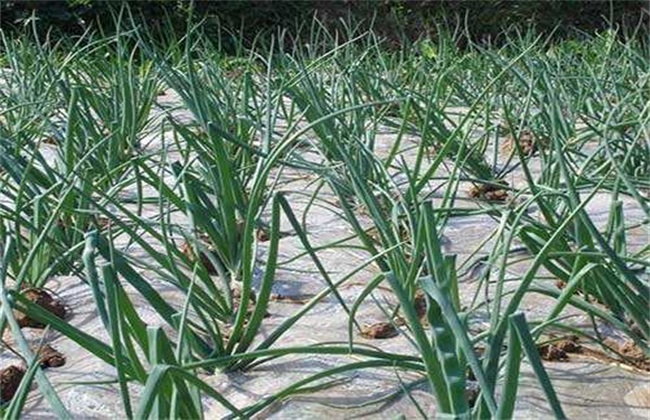
1. Sowing time
The sowing time of plastic mulch onions is very critical, and they must not be sown too early or too late. If sown too early, the onion seedlings will grow to a relatively robust stage before winter. This will also cause vernalization, leading to early bolting in the spring of the second year. If sown too late, the seedlings will be too weak before winter and prone to freezing damage. The time for entering the regreening stage in winter will also be relatively late, and the growth of stems and leaves will be very small, hindering bulb expansion. Therefore, plastic mulch onions should be sown in mid-September, which is the optimal sowing period.
2. Land preparation and fertilization
Before covering the film after sowing onions, attention should first be paid to doing a good job of land preparation. First, clear away weeds and straw from the soil, then carry out deep plowing and rotary tillage on the soil, crush and level the bed surface, and ensure the maximum diameter of soil clods does not exceed 2 cm. Then make beds and open furrows; the water furrows must remain unobstructed with good drainage and irrigation. During land preparation, sufficient base fertilizer should also be applied. The base fertilizer is mainly composed of diammonium phosphate, organic fertilizer, urea, and other fertilizers. After evenly mixing the fertilizers, apply them into the surface soil layer about 12 cm deep. Then, one week before film covering and transplanting, irrigate to preserve soil moisture, so as to prevent onions from losing water due to large-scale transplanting and reduce the survival rate.
3. Sowing method
After land preparation is completed, sowing can be carried out at the appropriate time. The sowing method is mainly broadcasting; mix in fine sand and broadcast back and forth about three times to ensure even sowing, with the sowing rate per mu kept at about 5 jin. After sowing, cover with a layer of nutrient soil, then cover the soil with a layer of grain straw for shading, which can also improve moisture retention and the seedling emergence rate. Then water lightly; after about a week, seedlings can emerge. After most seedlings emerge, remove the covering, then spray an appropriate amount of pesticide for weeding and sterilization. When the seedlings are two months old, have three true leaves and one heart leaf, and are 22 cm tall, they can be transplanted. After transplanting, cover with plastic film, strengthen management, and do a good job of overwintering.
4. Water and fertilizer management
After transplanting, promptly water thoroughly at the roots, then control moisture well to promote the emergence of new roots. Also water with antifreeze water to ensure the seedlings can safely overwinter. In addition, watering should be done well during the regreening stage, bulb expansion stage, and other stages. Besides that, fertilization should also be done well in combination with watering during the regreening stage and bulb expansion stage. During the regreening stage, apply an appropriate amount of urea, which should be broadcast before rain. Then during the bulb expansion stage, apply an appropriate amount of diammonium phosphate and urea, mainly by spot application. Finally, attention should also be paid to the application of foliar fertilizer to meet the nutrients needed for onion growth and avoid premature aging of the plants.
The above is a brief introduction to plastic mulch onion cultivation techniques. That is all for today's introduction. This article is for reference only, and I hope it can be helpful to everyone!