How to Solve Water Dripping in Vegetable Greenhouses in Winter? A Detailed Guide to Practical Methods
When cultivating crops in winter, greenhouse cultivation is often chosen, but because of the large temperature difference between inside and outside the greenhouse, the humidity inside the greenhouse is high, and water droplets inevitably form on the inner side of the greenhouse film. The harm caused by water dripping from the greenhouse film is also very great. Let's take a look below at the harm caused by water dripping in greenhouses in winter and the solutions.
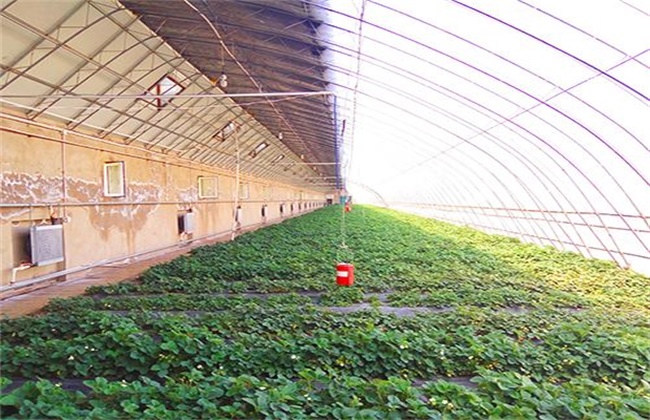
I. Harm of Water Dripping in Greenhouses
1. Decreased Light Transmittance
Water dripping from the greenhouse film will reduce light transmittance by at least 20%-30%, and it will also absorb a large amount of heat inside the greenhouse, affecting the increase of greenhouse temperature. In deep winter, light and temperature are already low, and water dripping from the greenhouse film will reduce the light transmittance of the film, making the light inside the greenhouse even weaker. The photosynthesis of crops is seriously affected, and the temperature is also affected, causing great harm.
2. Causing Cold Damage
Water droplets on the greenhouse film splash onto the plants, and because the temperature of the water droplets is too low, cold damage is often caused, affecting the normal growth of vegetables.
3. Inducing Diseases
The long-term presence of dew will induce many kinds of diseases, especially the outbreak and spread of bacterial and oomycete diseases, which require the presence of liquid water and wounds. Water dripping happens to create these two conditions. Water dripping inside the greenhouse or increasing the humidity inside the greenhouse is favorable for the occurrence of most fungi. Especially on cloudy and rainy days, when the temperature inside the greenhouse is low and the humidity is high, diseases occur severely.
II. Solutions
To solve the problem of water dripping from the greenhouse film, it is necessary to consider multiple aspects such as the greenhouse structure and the quality of the greenhouse film. When building a new greenhouse, pay attention to improving the greenhouse body structure and increasing the greenhouse surface intersection. Choose high-quality anti-drip film. When newly installing the greenhouse film, pull the film tight so that the greenhouse film is flat, which can also reduce water dripping from the greenhouse film. Anti-drip agents, such as silicone additives, can also be sprayed on the inner side of the film to improve the surface ductility of the greenhouse film and avoid the formation of water droplets.
The above is an introduction to how to solve water dripping in vegetable greenhouses in winter. We hope it can help you. If you want to learn more related knowledge, please follow us.