How to Improve the Light Transmittance of Greenhouse Agricultural Film? Practical Tips Shared
During the use of greenhouse film, contamination, attached water droplets and dust can greatly reduce its light transmittance, seriously affecting the photosynthesis of crops, which is extremely detrimental to crop growth. Therefore, farmers need to take measures to improve the light transmittance of the greenhouse film. So how should this be done? Let's take a look together.
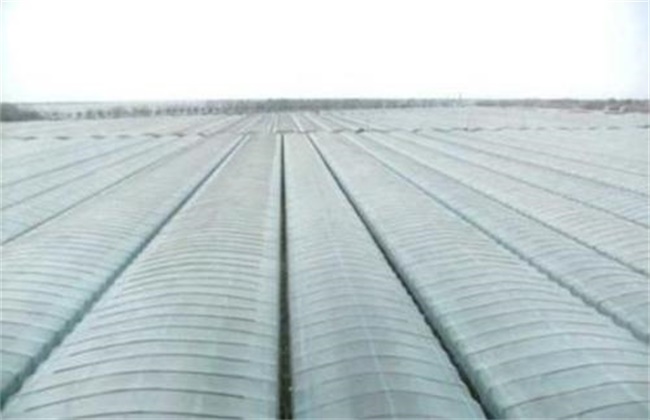
I. How to Improve the Light Transmittance of Agricultural Film
1. Cleaning
To improve the light transmittance of greenhouse film, in addition to designing a good lighting angle during construction and promoting the use of anti-drip film, it should be cleaned once every week during use. This can clean dust and grass debris off the greenhouse film and increase its light transmittance by 5%-8%.
2. Wiping with Dry Fine Soil or Gypsum Powder
During greenhouse cultivation, the humidity inside the greenhouse is relatively high, and water droplets will attach to the greenhouse film no matter what, which also affects its light transmittance. Before laying the film, you can sprinkle dry fine soil or gypsum powder on the greenhouse film, then repeatedly wipe it several times with a towel or cloth piece and then wipe it clean. Then place the treated side facing inward, which can reduce water droplet adhesion on the greenhouse film.
3. Spraying Soybean Powder
Wiping with dry fine soil or gypsum powder can only last for a period of time, after which water droplets will still attach. At this point, you can grind soybeans into fine powder, use 7.5-10 grams of soybean powder per square meter of greenhouse film, mix with 150 grams of water, soak for 2 hours, then filter through fine gauze. After removing the residue, spray it onto the water droplets on the greenhouse film with a sprayer. This can make the water droplets fall quickly and keep new water droplets from forming for about half a month.
4. Turning Over and Sun-Drying the Greenhouse Film
You can choose a windless, sunny midday to remove the film and turn it over so that the side that originally faced upward now faces downward, then secure it again. This can also reduce water droplet adhesion and greatly improve light transmittance.
II. Dust Removal Techniques
Rinsing with water when the temperature is high causes little damage to the greenhouse film, but if you rinse with water in low-temperature seasons, it can easily freeze, making it difficult to carry out. If you use manual wiping, it will inevitably scratch the greenhouse film and make it dirty, leading to decreased light transmittance. Although these two methods can be used, they are time-consuming and labor-intensive. You can place a cloth strip 0.5-0.7 m long and as wide as the greenhouse film every 1.2 m on the film, tie both ends to steel wires, and use wind force to make the cloth strips swing and remove dust.
The above is an introduction to how to improve the light transmittance of greenhouse agricultural film. We hope it can help you. If you want to learn more related knowledge, please stay tuned to us.