Prevention and Control Methods for Plastic Mulch Scorch Damage to Vegetables
In recent years, plastic mulch covering has often been used in vegetable production. Adopting plastic mulch covering technology can not only raise soil temperature, reduce water evaporation and prevent the ground from crusting, but also lower the humidity in greenhouses and sheds and reduce the occurrence and spread of diseases. However, if used improperly, it can very easily cause scorch damage to vegetables and affect their normal growth. So what should be done when plastic mulch scorches vegetables? Let's take a look together.
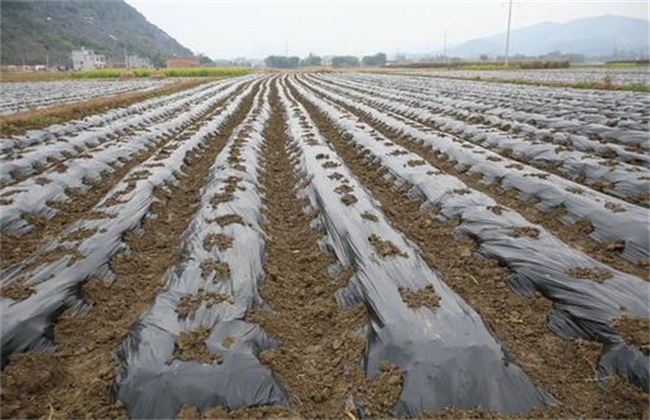
1. Symptoms and Causes
In clear, high-temperature weather, because the plastic mulch openings are not sealed tightly, vegetables are very easily scorched. This situation mainly occurs because the plastic mulch transmits light and raises temperature, causing surface moisture to evaporate, thus forming water droplets under the film. When the planting holes are exposed, the hot air under the film rushes out from the holes, and under the high temperatures at noon, this causes scorch damage to vegetables. It often also causes heat damage to the root and stem parts of vegetables, which not only affects the normal growth of vegetables but also gives pathogens an opportunity to invade, causing diseases such as stem rot, resulting in missing plants and broken rows, and reducing yield in severe cases. In addition, when temperatures are high at noon, vegetable leaves directly touching the plastic mulch can also be scorched, and this situation is relatively common when the plastic mulch is black.
2. Preventive Measures
After covering vegetables with plastic mulch, fine soil or clods of earth can be used to press down the mulch and seal the planting holes firmly, which can prevent the hot air under the mulch from scorching the vegetables. At the same time, pay attention to weather changes. If high-temperature and strong-light weather occurs, shade nets should be covered in time to prevent the temperature inside the shed from becoming too high.
3. Emergency Measures
After discovering that plants have been scorched, fine soil should be used in time to compact the area around the plastic mulch and seal the gaps between the mulch and the plants tightly, so as to prevent high temperatures from continuing to cause damage. If the scorch damage is mild, sprays such as brassinolide and gibberellin can be applied to regulate plant growth, while strengthening fertilizer and water management so that the plants quickly recover their growth. If seedlings are scorched, in order to prevent the occurrence of stem rot, some protective fungicides can be sprayed. If the scorch damage is relatively severe, the plants should be pulled out in time and replaced with new plants, which can reduce losses as much as possible.
The above is an introduction to what to do when plastic mulch scorches vegetables. We hope it can help you. To learn more related knowledge, please follow us.