Winter irrigation of wheat: benefits and precautions explained
As temperatures gradually drop, wheat gradually enters its dormant period, and this is also the time for winter irrigation of wheat. Winter irrigation of wheat is one of the effective practical experiences for increasing yields. However, not all wheat is suitable for winter irrigation, so which wheat needs winter irrigation? What should be noted during winter irrigation? Let's take a look.
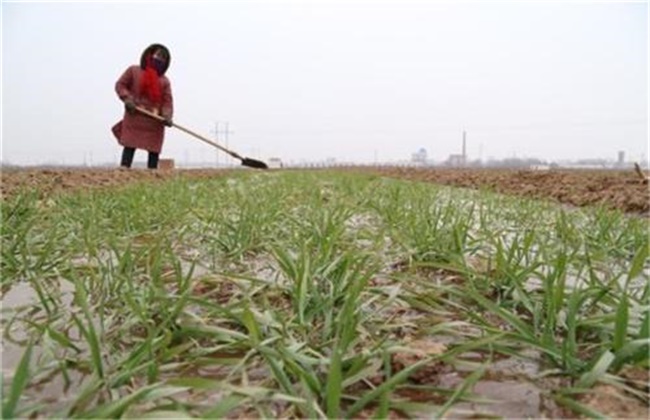
1. Which wheat needs winter irrigation
Winter irrigation of wheat needs to be decided based on soil moisture and seedling stage. For any wheat field where the pre-winter water-holding capacity is below 80% and irrigation conditions are available, winter irrigation is needed. In addition, wheat fields with more than 2 tillers per plant are more suitable for winter irrigation. Weak seedling wheat fields, especially late-sown wheat fields with a single root and single seedling, are best not given winter irrigation, otherwise frost damage is likely to occur. Wheat fields with excessive growth can have winter irrigation postponed or not carried out, in order to control vigorous growth and promote strong growth. As for wheat fields with poor soil permeability, after winter irrigation they very easily show reddening and yellowing, and may even suffocate, so winter irrigation need not be considered for this kind of wheat field either.
2. Benefits of winter irrigation
Winter irrigation can prevent frost damage and seedling death caused by low temperatures, and can also store water for wheat's greening in the following year, achieving the effect of using winter water in spring and preventing spring drought early. At the same time, after winter irrigation, disease bacteria and insect eggs can be reduced, lowering the base number of pests and diseases for the coming year, and can noticeably reduce the harm of spring pests and diseases. It is one of the important measures to ensure the safe overwintering of wheat. In addition, winter irrigation on saline-alkali land can press down salts and improve the soil, and according to surveys, compared with wheat fields without winter irrigation, wheat seedlings in fields with timely winter irrigation increase by about 123,000 ears, with a yield increase of more than 27%.
3. Precautions
Winter irrigation of wheat needs to be timely and appropriate in amount. Generally, winter irrigation starts when the daily average temperature drops to 8°C and ends at around 5°C. If winter irrigation is too early, the temperature is relatively high at that time, evaporation is large, and the desired effect cannot be achieved; if winter irrigation is too late, the soil freezes, water cannot infiltrate downward, causing water to accumulate on the surface and freeze, and wheat seedlings very easily suffocate and die. The amount of water for winter irrigation of wheat should not be too large; it is best to water thoroughly and have it infiltrate completely the same day, generally 30-40 tons of water per mu. To save water, canal and border matching must be carried out to prevent flood irrigation. After winter irrigation, promptly hoe and loosen the soil to close cracks, so as to preserve soil moisture and increase temperature.
The above is an introduction to the benefits and precautions of winter irrigation for wheat. I hope it can help you. If you want to learn more related knowledge, please follow us.