Key Field Management Techniques for Growing Spaghetti Squash
Spaghetti squash, also known as gold melon, stirred cucumber, and golden silk horn melon, is a variety of zucchini. It is deeply loved by everyone because it tolerates short-distance transport, can be harvested in summer and autumn and stored until the Spring Festival for sale, and can also have paintings and calligraphy done on its rind to add festive cheer. Now let's take a look at the field management techniques for spaghetti squash with the editor.
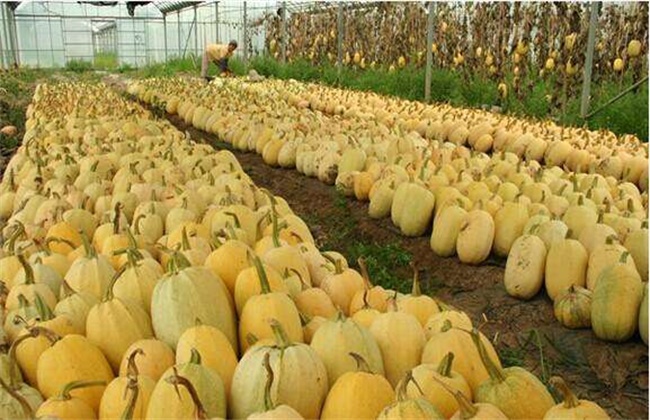
1. Thinning and Replanting Seedlings
When the spaghetti squash seedlings grow to 10-12 cm, thinning, transplanting, and replanting can be carried out. Generally, only 2 seedlings are kept per hole, and unnecessary seedlings can be pulled out directly and transplanted or used for replanting elsewhere. When the seedlings grow to about 20 cm, transplant them at a density of 1.5 m between rows and 1 m between plants.
2. Fertilizing and Trellising
After transplanting, two things must be done: fertilizing and trellising. Fertilizing can be carried out 4-5 days after transplanting, mainly by applying base fertilizer in holes, or by irrigating with dilute manure and urine water. After one week, set up one support frame per seedling, then use ropes to guide the seedlings onto the support frames. This not only reduces pests and diseases but also improves field permeability and increases spaghetti squash yield. During the seedling growth period, fertilizer needs to be applied 2-3 times, and during the flowering and fruiting period, phosphorus and potassium fertilizers should be the main type used.
3. Weeding and Irrigation
When the seedlings grow to about 30 cm, one round of hilling and weeding should be carried out. At this time, weed gently and be careful not to damage the roots of the seedlings. Generally, if there is no rainfall within 1-2 days after transplanting, then irrigation must be carried out at this time, and the amount of irrigation should be determined according to the seedlings' water requirements. Also note that when there is relatively more rainfall, drainage must be carried out immediately to prevent water accumulation in the field and avoid pests and diseases.
4. Preventing Pests and Diseases
Spaghetti squash has extremely strong disease resistance, and there are relatively few diseases. The most common ones are viral disease and powdery mildew. In fact, viral disease can be treated with ningnanmycin powder, while powdery mildew can be prevented with flusilazole. The main pest is aphids, which can be controlled with dimethoate, rotenone emulsifiable concentrate, or trichlorfon. Be careful to alternate the chemicals to avoid resistance.
The above is an introduction to the field management techniques for spaghetti squash. We hope it can help you. If you want to learn more related knowledge, please stay tuned to us.