What are the key management techniques for potatoes in the middle and late stages?
The potato is what we often call the potato in our daily lives. The potato is a very important food crop in our country, with a very wide planting area. When growing potatoes, attention should be paid to adjusting management methods according to the potato's growth stage. Especially in the middle and late stages, so how should potatoes be managed in the middle and late stages? Below, the editor brings you the key management points for potatoes in the middle and late stages. Let's take a look!
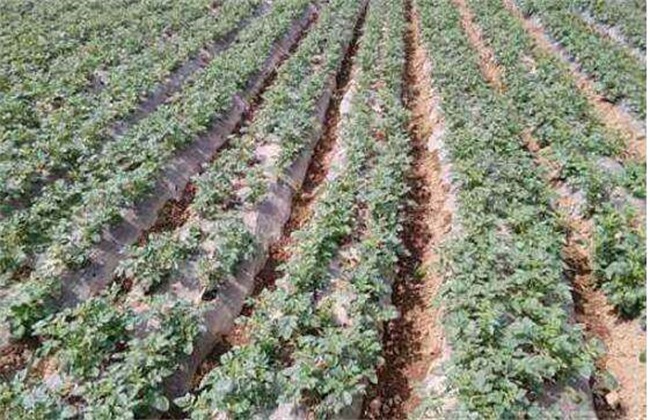
1. Water and fertilizer management
In the middle and late stages of the potato, it is a critical period for tuber enlargement. Therefore, the demand for water and fertilizer during this period will also greatly increase, so we must do a good job in water and fertilizer management. To meet the water and fertilizer needs of potato growth, watering and fertilizing should begin when the potato tubers grow to about the size of a walnut. Because the potato has a relatively large demand for potassium, attention should be paid to increasing the proportion of potassium fertilizer. When watering, it can be combined with topdressing nitrogen and potassium fertilizer. Generally, topdress once every ten days or so, about two times in a row. When the soil is too dry, water in time; similarly, when there is too much water, do a good job of drainage.
2. Intertillage and weeding
After the potato enters the middle and late stages, its growth amount is relatively large. Therefore, we also need to do a good job in intertillage and weeding. Intertillage is mainly to improve soil permeability, promote normal respiration of the potato roots, improve soil structure, and ensure normal enlargement of the potato tubers. Then weeds should also be removed in time to avoid too many weeds competing for potato nutrients. Soil should also be hilled up around the potato roots. Reasonable intertillage and weeding is a key measure to increase potato yield, so everyone must pay more attention.
3. Pest and disease control
There are also relatively many pests and diseases in the middle and late stages of the potato, among which common pests include aphids, white grubs, and so on. Pests will harm the roots and leaves of the potato, suck the plant's sap, and so on, seriously affecting the normal growth of the potato. Moreover, aphids are also very likely to carry virus disease pathogens, causing potato diseases and thus reducing yield. Therefore, we should strengthen prevention, regularly disinfect the field, and promptly handle plants with pests or diseases. Remove the affected parts, check the specific pests and diseases, and then take corresponding measures and use the corresponding agents for disinfection.
4. Timely harvest
The potato's growth period is not very long, generally about 4 months. And in the late stage of the potato, the harvesting work should naturally also be done well. When the stems and leaves of the aboveground part of the potato turn yellow and withered and the tubers are easy to separate, they can be harvested in a timely manner. When harvesting, do not do it on cloudy and rainy days, to avoid reducing the storage performance of the potato. When harvesting, be careful not to cause wounds to the potato, to avoid triggering post-harvest diseases. At the same time, also pay attention to the harvesting time. Do not harvest too early or too late, otherwise it will have a great impact on the yield and quality of the potato.
The above is a brief introduction to the key management points for potatoes in the middle and late stages. That is all for today's introduction. This article is for reference only, and I hope it can help everyone!