Detailed Explanation of Key Management Techniques for Winter Greenhouse Lettuce
Lettuce is a relatively common vegetable in daily life and is basically grown all over our country. Now, because growing techniques are becoming more and more mature, lettuce can also be grown in winter. Winter lettuce cultivation is generally mainly done in greenhouses, and growing lettuce in greenhouses in winter requires us to do a good job in management. So how should winter greenhouse lettuce be managed? Let's take a look together below!
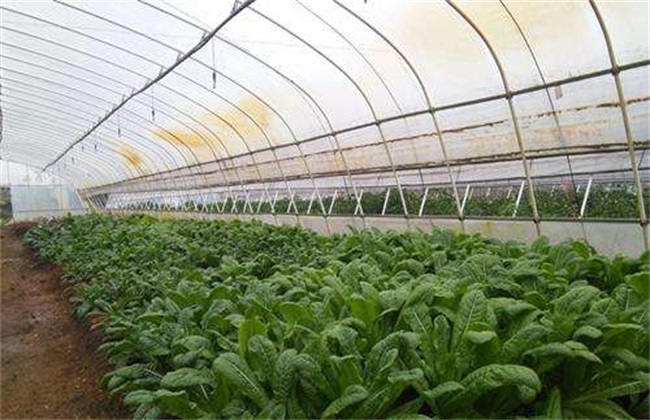
1. Temperature and humidity management
When growing greenhouse lettuce in winter, the first thing we need to do well is temperature and humidity management. Especially at the initial stage of lettuce transplanting, ventilation and dehumidification should be done well according to the actual conditions inside the greenhouse. At night, if the temperature is above zero, ventilation can be carried out appropriately, but it must never be below zero; if it is below zero, small arched sheds and straw curtains should be added. During the day, the straw curtains can be uncovered. After the lettuce stem begins to expand, the daytime temperature inside the greenhouse should be controlled at around 18°C. If it exceeds 25°C, ventilation should be carried out in time, and the nighttime temperature should also be kept above 5°C.
2. Fertilizer and water management
Then we need to do a good job in fertilizer and water management. Fertilizer and water are the key to ensuring that lettuce overwinters safely. Likewise, after lettuce transplanting, water once to settle the roots, and then after about a week, water again to help the seedlings recover. Also apply a seedling-promoting fertilizer with the water, applying an appropriate amount of ammonium sulfate per mu. Then carry out about three rounds of intertillage and loosening of the soil. During the rosette stage of lettuce, also apply fertilizer once with water. When the lettuce stem enters the expansion stage, do a good job in watering, and topdress with an appropriate amount of compound fertilizer, and then the soil should be slightly moist.
3. Pest and disease control
Although the temperature is relatively low in winter and the activity of pathogens and pests is relatively low, we still need to do a good job in pest and disease control. If management is improper, pests and diseases may also occur in winter. Pest and disease control should focus on prevention, including temperature and humidity management. Improper temperature and humidity are the main causes of pest and disease outbreaks, so everyone should pay more attention. We should often observe the growth of lettuce and reasonably use agents such as metalaxyl, procymidone, or carbendazim for control. After an outbreak occurs, the cause should be identified in time, and then targeted treatment should be carried out.
4. Timely harvesting
If it needs to be marketed in winter, then we also need to do a good job in harvesting. The harvesting standard for lettuce is when the heart leaves are level with the outer leaves, because at this time the lettuce is basically already mature. The taste is also very good, and the quality is relatively excellent. If harvesting is too late, then the lettuce will continue to grow. Continued growth will lead to an increase in crude fiber inside the lettuce, a poorer taste, and a decline in quality as a result. And if it cannot be marketed in time, then the lettuce should have its tips pinched and buds removed to inhibit the growth of the tender stems.
The above is a brief introduction to how to manage winter greenhouse lettuce. That is all for today's introduction. This article is for reference only, and I hope it can help everyone!