Why Do Pumpkins Crack? Causes and Control Methods Explained
Pumpkin is one of the common fruiting vegetables, sweet in taste and deeply loved by the public. However, both young and mature pumpkins can develop cracking, which seriously affects pumpkin quality and brings economic losses to farmers. So how should pumpkin cracking be controlled? Let's take a look.
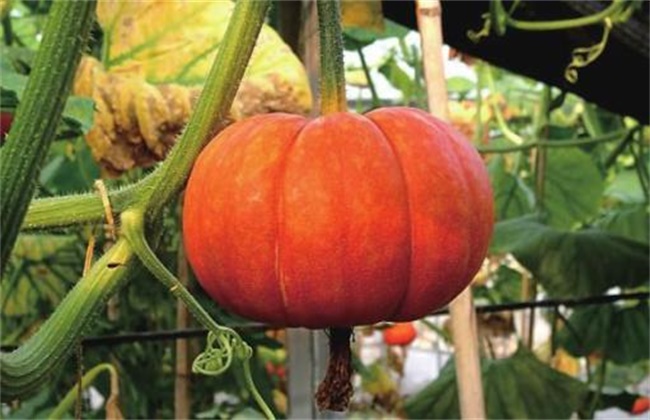
1. Symptoms
When a pumpkin cracks, longitudinal, transverse or diagonal fissures appear on the fruit surface. The fissures vary in depth and width; in severe cases, the cracks can reach deep into the flesh, exposing the seeds inside, and the wounded surface of the cracked fruit becomes suberized over time. Minor cracks are just a small slit, but if a young fruit cracks and continues to grow, the crack will gradually deepen and widen as the fruit grows.
2. Causes
The main cause is long-term drought, or excessive water control to prevent disease, followed by a sudden heavy rain or heavy irrigation, when the flesh cells absorb a large amount of water and expand. However, the rind cells have aged and cannot grow in sync with the flesh cells, causing the rind to split. In addition, wounds on young fruits caused by farming operations or mechanical injuries will crack outward from the wound as the fruit expands. Insufficient calcium at flowering, when the floral organs lack calcium, can also cause young fruits to crack.
3. Control Methods
Choose flat terrain with loose, fertile soil and strong water- and fertilizer-holding capacity for planting. Before planting, prepare the soil finely and apply plenty of decomposed organic fertilizer, paying attention to a balanced combination of nitrogen, phosphorus and potassium fertilizers. Spray calcium fertilizer before flowering to prevent calcium deficiency in the plants, and water reasonably during the growing period to avoid soil drought or excessive moisture, especially taking care to avoid sudden rainfall or heavy irrigation after a long drought. When growing in greenhouses, avoid high or low temperatures, with 18-25°C being preferable, and always prevent mechanical damage during farming operations.
The above is an introduction to the causes of pumpkin cracking and control methods. We hope it helps you. For more related knowledge, please stay tuned to us.