How to control thrips on eggplant? These methods you need to know
Thrips are one of the common pests during the growing period of eggplant and other crops, seriously affecting growers' plant returns, and when they break out they can even cause total crop failure. Below, let's learn together about the damage, occurrence patterns and control methods of thrips on eggplant.
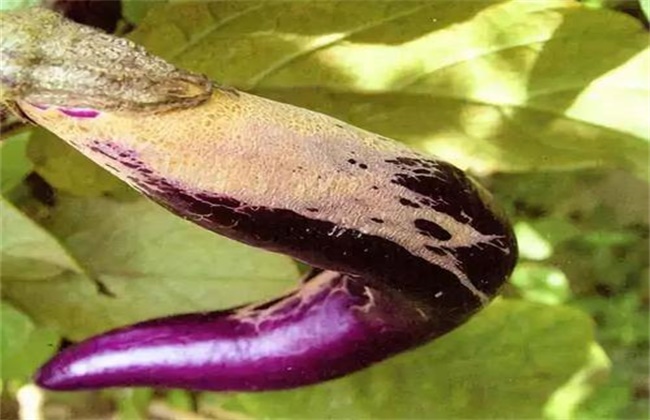
1. Damage
Thrips adults and nymphs pierce and suck the sap of heart leaves, tender stems and young fruits, causing the buds and leaves of the affected plants to curl up, and the heart leaves cannot unfold normally, resulting in a clustered appearance. Affected young fruits are highly prone to deformity, and in severe cases cause fruit drop. The skin of the affected fruit is rough with spots, or bears brown ripples and is covered with “rusty skin”, and the fruit is deformed.
2. Occurrence patterns
In regions with suitable climate, thrips can produce more than 20 generations a year. Adults overwinter in solanaceous and leguminous vegetables, weeds or soil cracks, and a small number of nymphs also overwinter. When the temperature rises above 12 degrees, thrips revive and begin to feed. Control on winter-crop eggplant, and in summer they can transfer to other vegetables. The adults are lively, agile and good at flying, and during the day mostly hide in the growing nodes of melon seedlings and the fuzz of young melons. They lay eggs inside tissues such as growing points, tender leaves, young melons and seedlings, and after hatching they can move about and feed.
3. Control methods
When raising seedlings, transplant at the right time and try to avoid the peak period. After the seedlings emerge, plastic film mulching can be used instead of straw mulching, which can greatly reduce the insect population. Promptly clearing wild solanaceous and leguminous plants near the field can also effectively reduce the source of the pest. When eggplant is found to be damaged by thrips, spray pesticides promptly for control. You can use 5% imidacloprid emulsifiable concentrate at 1500-2000 times dilution, or 1.8% abamectin at 4000-5000 times dilution, or 45% malathion emulsifiable concentrate at 1000 times dilution for spray control. When using them, note that the agents should be alternated to prevent thrips from developing resistance.
The above is an introduction to the control methods for thrips on eggplant. We hope it helps you. To learn more related knowledge, please stay tuned to us.