What to Do About Flower and Pod Drop in Sword Beans? Cause Analysis and Preventive Measures
Sword beans have surely been eaten by many people, and quite a few grow them too, but many gardeners often find during cultivation that the plants drop their flowers and pods. What causes this? How can it be prevented? Let's take a look together.
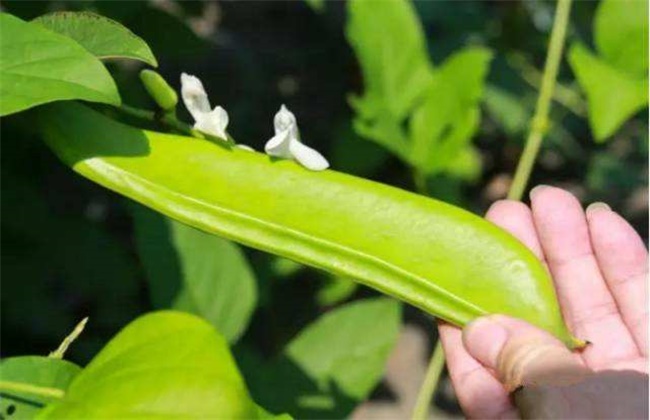
I. Causes of Flower and Pod Drop in Sword Beans
1. Unsuitable temperature
Flower and pod drop in sword beans is closely related to temperature highs and lows. The optimal growing temperature is between 20-25 degrees. Before flowering, if temperatures above 28 degrees occur, flower drop is very likely; above 30 degrees the flower drop worsens, and once temperatures reach above 35 degrees, the flower drop rate exceeds two-thirds.
2. Poor nutrition
In the early flowering stage of sword beans, excessive vine growth causes vegetative growth and reproductive growth to compete for nutrients, resulting in flower and pod drop. During flowering and podding, sword beans have a strong demand for light. If planted too densely, branches and leaves often shade each other, reducing the accumulation of assimilates, which leads to a marked decline in the plant's stress resistance. The floral organs suffer from long-term nutritional deficiency, and flower and pod drop becomes severe.
3. Unsuitable moisture
Sword beans fear drought and dislike waterlogging. During flower bud differentiation, hot and dry weather causes abnormal division of pollen cells, making the anthers sterile or causing them to die, which results in flower drop. In rainy weather, poor drainage and waterlogged soil interfere with pollen release, also causing massive flower drop.
II. Preventive Measures
1. Scientific watering
Water is an extremely important factor for the growth and development of sword beans; improper watering can easily cause flower and pod drop and reduce yield. Therefore, watering should follow the principle of "water the pods, not the flowers" - that is, during flowering, do not water too much or too forcefully, which avoids excessive watering and the resulting flower drop. After podding, gradually increase the amount of water.
2. Reasonable planting density
The sowing density of sword beans varies with variety and growing season. Generally, for vining varieties, the row spacing is 65-80 cm and the hill spacing is 20-25 cm; for bush varieties, the row spacing is 30-40 cm and the hill spacing is 25-30 cm.
3. Scientific fertilization
Sword beans have a long growth cycle, flowering and podding at the same time, so the base fertilizer should be applied generously and topdressing should be frequent. The base fertilizer should be mainly organic fertilizer, reasonably combined with nitrogen, phosphorus and potassium fertilizers. After the first harvest and at the mid-podding stage, apply topdressing 1-2 times each; later, if the plants are weak, apply one more round of topdressing.
4. Chemical control
You can spray the sword bean flower clusters with naphthalene acetic acid and naphthoxyacetic acid once every 7-10 days, which can noticeably reduce flower and pod drop.
The above is an introduction to the causes of flower and pod drop in sword beans and preventive measures. We hope it helps you. For more related knowledge, please stay tuned to us.