Key Technical Points for Winter Field Management of Rapeseed
Rapeseed is a vegetable we commonly eat and, as the name suggests, it is also a major food crop. Its planting area in our country is very large. When growing rapeseed, because of seasonal changes, its environment and temperature will also vary. Therefore, we need to adjust our management methods accordingly. So how should rapeseed be managed in winter? Below, the editor brings you the winter management techniques for rapeseed. Let's take a look!
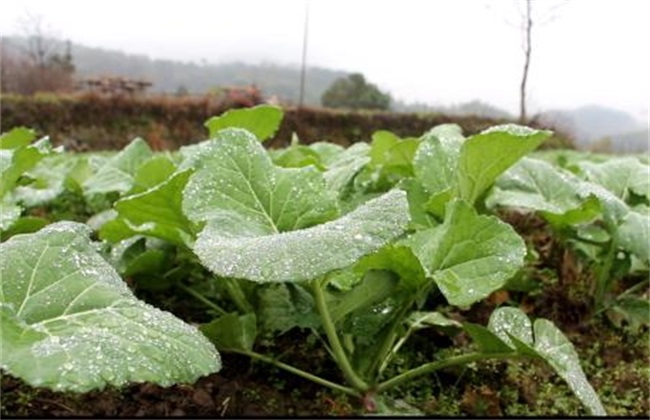
1. Intertillage and Fertilization
When rapeseed cultivation enters winter, we must first do a good job of intertillage. Because winter temperatures are very low, intertillage can not only raise soil temperature but also loosen the soil, and it can also directly protect the roots, which is very beneficial to the root growth of rapeseed. Then, an appropriate amount of organic fertilizer should be applied between the rapeseed rows. Organic fertilizer can not only provide sufficient nutrients for rapeseed but also raise soil temperature. Keeping warm allows rapeseed to flower and bolt normally during overwintering, and it can also increase the potassium content of rapeseed and reduce freezing.
2. Clearing Ditches and Draining Water
When growing rapeseed in winter, if there is snowy weather, the snow in the drainage ditches should be cleared promptly after the snow. This avoids excessive water accumulation in the field, which would affect the growth of rapeseed roots, hinder nutrient absorption by rapeseed, and prevent it from overwintering safely. It can also prevent diseases after the snow melts and the phenomenon of leaves freezing after thawing in the sun. This would cause freezing damage to rapeseed and, in severe cases, cause large numbers of rapeseed plants to die. Therefore, the work of clearing ditches and draining water is very important, and it is also a key measure for promoting roots, protecting leaves, and helping strong seedlings overwinter.
3. Irrigation to Prevent Freezing
Before the winter freeze, we should water an appropriate amount of freezing water. Watering freezing water is very critical for rapeseed overwintering, because freezing water can reduce the temperature difference between day and night and improve the field microclimate. It avoids rapeseed being hit by excessively low temperatures, thereby reducing the phenomenon of dry freezing and seedling death. It is one of the main measures to increase the overwintering survival rate of rapeseed. In addition, we can also spread an appropriate amount of plant ash or rice hull ash and other materials on the rapeseed leaves, which is very beneficial for preventing freezing damage to rapeseed.
4. Removing Early Bolts and Early Flowers
In winter, in order to improve the cold resistance of rapeseed, prevent freezing damage, and increase the yield of rapeseed, rapeseed plants with early bolting and early flowering should be removed promptly to avoid excessive apical dominance consuming too many nutrients. It is also a key measure for changing the internal nutrient transport pathways and nutrient focus of the plant. Change the nutrient focus from the main stem of the plant to the branches in the lower part of the plant, improving the growth capacity of the branches. After removing bolts and pinching, attention should be paid to applying a quick-acting fertilizer once to increase fruit-setting positions, thereby improving the quality and yield of rapeseed.
The above is a brief introduction to winter management techniques for rapeseed. That is all for today's introduction. This article is for reference only, and I hope it can help everyone!