What causes the leaves of pepper seedlings to turn yellow?
Peppers are a very common vegetable in our daily lives. The market demand in our country is also very large, and they are basically cultivated in every region. When we grow peppers, we often encounter many problems that affect pepper yield. This is especially true during the pepper seedling stage, and yellowing leaves are one of them. So what causes pepper seedling leaves to turn yellow? Below, the editor will give you a brief introduction. Let's take a look!
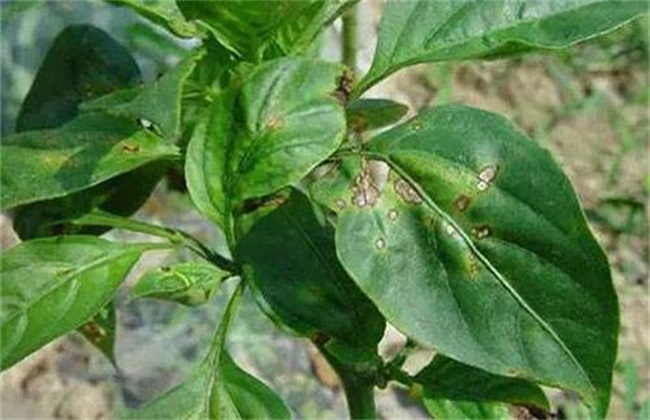
1. High temperature and drought
After pepper seedlings are planted out, their roots are still in a relatively fragile state. Therefore, we need to promote seedling establishment in peppers through water and fertilizer management. However, if they are in a high-temperature and drought environment, then the root uptake of water and fertilizer in pepper seedlings will be affected, causing the lower leaves of the plant to develop yellow leaves due to nutritional deficiency. If this is the cause, then we should appropriately spray foliar fertilizer and water promptly to help the seedlings recover as quickly as possible. Especially in summer, yellow leaves caused by high temperature are very likely to appear, so everyone must pay close attention.
2. Nitrogen deficiency and magnesium deficiency
During the growth process of pepper seedlings, the demand for nutrients is relatively high. If a certain nutrient is lacking, then many problems are also likely to occur. If peppers lack nitrogen, then the plant will become thin and weak, short, and the leaves will be thin, small, and yellowed. In severe cases, leaf drop will occur. Therefore, we should pay attention to the application of nitrogen fertilizer, but it must not be excessive, to avoid excessive vegetative growth in peppers. Magnesium deficiency can also cause yellow leaves in peppers, generally occurring at the initial fruiting stage. The veins of old leaves will gradually turn yellow, and then gradually spread along the veins to the entire leaf. If magnesium is deficient, spray a solution such as magnesium sulfate about once every week.
3. Potassium deficiency and calcium deficiency
In addition to nitrogen deficiency and magnesium deficiency, potassium deficiency is also a main cause of yellow leaves in peppers. If a pepper plant lacks potassium, then the leaf margins will gradually lose green and turn yellow. The leaves in the middle of the plant will also gradually yellow. At this time, spray potassium dihydrogen phosphate appropriately twice, and the proportion of potassium fertilizer can also be increased during topdressing. Finally, calcium deficiency can also cause the upper leaves of the plant to turn yellow, and the plant will also become dwarfed as a result. The leaves around the growing point of the plant gradually stop growing and, in severe cases, die. If this situation occurs, spray calcium chloride about once every five days.
4. Herbicide damage and fertilizer damage
When fertilizing and applying pesticides during pepper cultivation, if the dosage is improper, then the plants are highly prone to pesticide damage and fertilizer damage. If not handled in time, this can lead to yellow leaves and reduced yield in mild cases, or death in severe cases. After pesticide damage occurs in peppers, the leaves will appear scorched and yellowed, but without spreading. After fertilizer damage occurs, pepper leaves will appear yellowed, shrunken, and so on. Therefore, when affected by fertilizer damage or pesticide damage, we should pay attention to timely watering for dilution, and can also apply an appropriate amount of foliar fertilizer or growth regulators, then carry out intertillage and take good remedial measures.
The above is a brief introduction to what causes pepper seedling leaves to turn yellow. That is all for today's introduction. This article is for reference only, and we hope it can be helpful to everyone!