How to manage bitter melon during the full fruiting period? Key technical points explained
Although the taste of bitter melon is not liked by many people, it actually has a very large market demand in our country. The planting area of bitter melon in our country is also relatively large. When growing bitter melon, we must adjust management methods according to the growth stages of bitter melon. Especially during the full fruiting period, it directly determines the yield. So how should it be managed during the full fruiting period of bitter melon? Now let's take a look together with the editor!
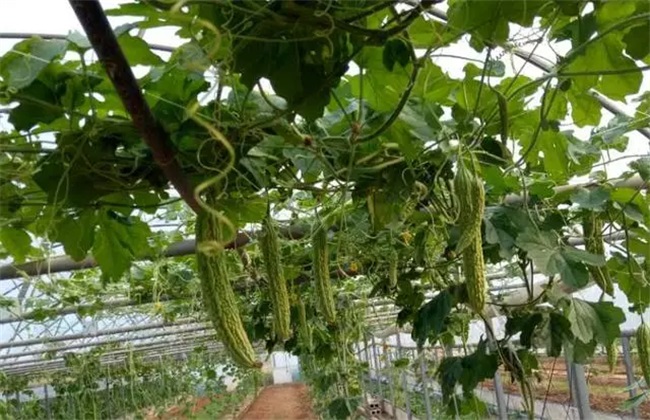
1. Temperature management
Bitter melon is relatively sensitive to temperature changes during its growth process, especially during the full fruiting period, when temperature directly affects the fruit-setting rate and yield of bitter melon. Therefore, temperature control is very important. During the day, the temperature inside the greenhouse should be controlled at about 30°C, and at night it should also be maintained at about 15°C. Then pay attention to the position where bitter melon fruits are retained. Generally, fruits should not be retained below about 50 cm on the main vine. When about 6 fruits have set on the main vine, keep 5 leaves and then pinch off the growing tip, and remove the remaining excess secondary and tertiary vines.
2. Fertilizer and water management
The fruiting period and growth period of bitter melon are relatively long. After entering the full fruiting period, its harvest period is about three and a half months. Therefore, the demand for fertilizer and water is relatively high, so we must focus on maintaining sufficient fertilizer and water. Especially during the full fruiting period, if the soil moisture content is low and it is dry, then water at least once a week. Moreover, before watering, the topdressing work should be done well, applying urea or compound fertilizer in each hole. However, the amount of water should not be too much. During rainy days, drainage work should be done well, and foliar fertilizers such as potassium dihydrogen phosphate should be sprayed about 3 times at the same time.
3. Pest and disease control
During the full fruiting period of bitter melon, there are also relatively many pests and diseases. Among them, the most common disease is anthracnose, which causes great harm to the fruits, leaves, and stems and vines of bitter melon. It generally occurs in the middle and late stages of bitter melon growth, so prevention and control work must be done well. Diseased leaves should be removed in time, and pesticides such as thiophanate and chlorothalonil should be used for spraying control, with prevention as the main approach. Then common pests include aphids, cabbage caterpillars, etc., which can be controlled with pesticides such as decamethrin emulsion.
4. Timely harvesting
Finally, after bitter melon enters the full fruiting period, harvesting work should be done well. This is because the fruits on a single bitter melon plant mature at different times. Therefore, during the full fruiting period, we must remove the mature bitter melons every day to leave sufficient growth space and nutrients for newly growing bitter melons. When harvesting, use disinfected scissors to cut them off in one go, avoiding damage to the vines. Then also promptly remove some mixed plants and mixed melons, and retain seed melons with consistent color and similar fruit shape and size.
The above is a brief introduction to how to manage bitter melon during the full fruiting period. That is all for today's introduction. This article is for reference only, and I hope it can help everyone!