What are the common problems in pepper cultivation?
Peppers, a common cooking aid, can be said to be an indispensable crop to grow nowadays. Although the history of pepper cultivation in our country is long, many problems are still encountered today, and quite a few friends have suffered losses from the situations below. Let's take a look at the common problems when growing peppers.
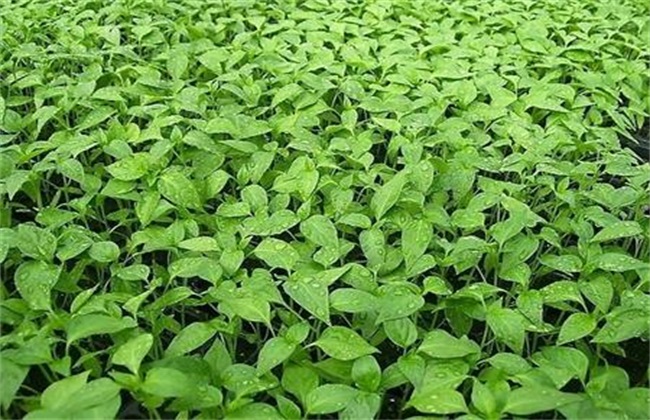
1. Planting in the original bed
The carrying capacity of the soil is limited, and nowadays when farming the land, attention must also be paid to nurturing it. Planting in the original bed is one of the major taboos for pepper growers. Some people simply clear away the pepper seedlings after harvest and then prepare to start a second round of planting, only to find that the seedlings grow poorly, small and weak. This is because the grower did not clean the plot and nurture the soil, and the roots of the pepper seedlings simply do not grow in the original holes. Under such circumstances, the peppers naturally cannot grow well.
2. Flower and bud drop
A pepper plant bears a lot of fruit every year, but not every pepper can grow to maturity. If only a small amount drops, it is basically a normal phenomenon. There are many factors that cause abnormal flower and bud drop, and growers mainly need to pay attention to the weather environment, fertilizer and pests, as other situations are relatively rare. If the weather is bad, take preventive measures, then supplement fertilizer in a targeted way, and finally check whether it is caused by disease, and this problem can be solved.
3. Not cleaning the plot when rotating crops
After the harvest of every crop, the plot needs to be cleaned, thoroughly cleaned, and pepper growers easily overlook this problem. They usually wait until the next planting to slightly turn the soil, but by then it is already too late, as many pathogens have hidden in the soil and are not easy to eliminate. After each harvest, it is best to loosen the soil in time, clean up the residues in the soil, then sterilize it, and after a period of time apply fertilizer to nurture the soil and wait for crop rotation and planting. Only in this way will subsequent planting results be good.
4. Seeds not sprouting
When raising seeds, the most common situation encountered is failure to sprout, which is mainly due to two reasons: one is a problem with the seeds, and the other is that the temperature does not meet the standard. If some do not sprout, it is basically those seeds that have problems; if almost none sprout, then it may be that the temperature was not controlled well. Pepper seeds sprout relatively quickly at 20-25°C, and below 15°C they may not sprout at all, so this should be noted. Secondly, try to keep the soil moist, as long as the water does not accumulate.
The above are some of the problems easily encountered when growing peppers, and everyone should try to avoid these situations. Most pepper diseases are somewhat contagious, and this is also something everyone needs to prevent.