How to manage tomatoes at the early flowering stage? Keep these key points in mind
Tomatoes are a very common vegetable in China, and the planting area is growing larger and larger. When we grow tomatoes, we need to adjust our management methods according to the tomato's growth stages. And at the early flowering stage of tomatoes, management work is even more important. So how should tomatoes be managed at the early flowering stage? Below, the editor brings you the key management points for tomatoes at the early flowering stage. Let's take a look!
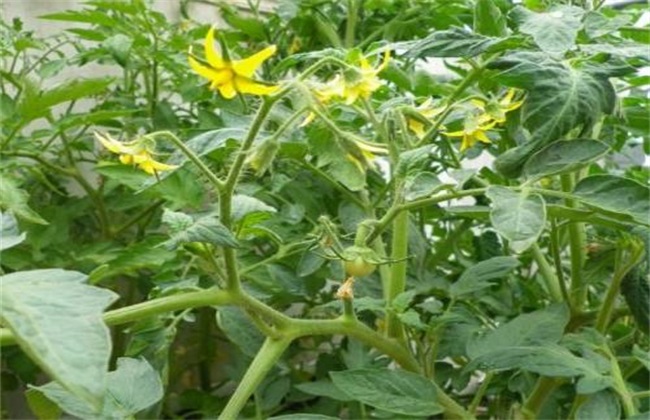
1. Temperature management
At the early flowering stage of tomatoes, temperature control is very important. After tomatoes enter the flowering stage, the daytime temperature should be controlled at around 25°C, and kept at around 13°C at night. The temperature difference between day and night should not be too small, otherwise it will affect the flowering and fruiting of tomatoes and reduce yield and fruit quality. Moreover, during the flowering stage, tomatoes are very sensitive to temperature changes. This is especially true during the four days before and after flowering. Be sure to control the temperature well; it must not go outside the range of 12-30°C, otherwise it will have a great impact on tomato flowering, pollination and fertilization.
2. Pruning and removing side shoots
Then, at the early flowering stage of tomatoes, we also need to do a good job of pruning and removing side shoots. In particular, pay attention to the size of the first truss of flowers on the tomato plant. If the first truss of flowers is too large, it will hinder pollination and fruit setting of other flowers, so it should be removed in time. Then, when the first truss of fruit has set, pay attention to the timing of removing side shoots. It should not be too early; if too early, it will affect the early growth of tomatoes. Usually, they should be removed when the side shoots grow to about 11 cm. Then, after the first truss of fruit has set, remove the side shoots on the upper part of the plant. Be careful not to cause too many wounds on the plant, and also do a good job of vine hanging.
3. Notes on flower dipping
At the early flowering stage of tomatoes, flower dipping is very important. When dipping flowers, no matter what flower-dipping agent is used, be sure to adjust the concentration according to temperature changes. Also remember which flowers have already been dipped to avoid repeated dipping. Flower dipping should be done early rather than late, and should be carried out in the morning on the day of flowering. And because the early flowering stage of tomatoes is generally in early spring, low temperature and high humidity at this time can easily cause diseases. Therefore, we also need to do a good job of disease prevention and control. An appropriate amount of agents such as iprodione and pyrimethanil can be added to the flower-dipping solution.
4. Fertilizer and water supply
Within half a month after flower pollination, tomatoes enter the period of rapid fruit expansion, so be sure to ensure sufficient fertilizer and water. When the weather is good, water appropriately, then apply an appropriate amount of high-potassium compound fertilizer and biological bacterial fertilizer by flushing. At this time, pay attention to appropriately raising the temperature. If ventilation is good, the temperature can be raised to around 28°C. This promotes photosynthesis in tomatoes and increases the accumulation of photosynthetic substances in the plant.
The above is a brief introduction to the key management points for tomatoes at the early flowering stage. That is all for today's introduction. This article is for reference only, and we hope it can help everyone!