What to Do About Tomato Plant Death? Find the Cause and Prevent It Scientifically
Tomato is the scientific name for the tomato plant, a annual or perennial herbaceous plant of the Solanaceae family. It is widely cultivated in both northern and southern China. Tomatoes have very high nutritional value, can be eaten raw or stir-fried, and can also be processed into sauce, juice, and more. They are very popular in China, but when we grow tomatoes, plant death often occurs. So what should be done about tomato plant death? Let's take a look together below!
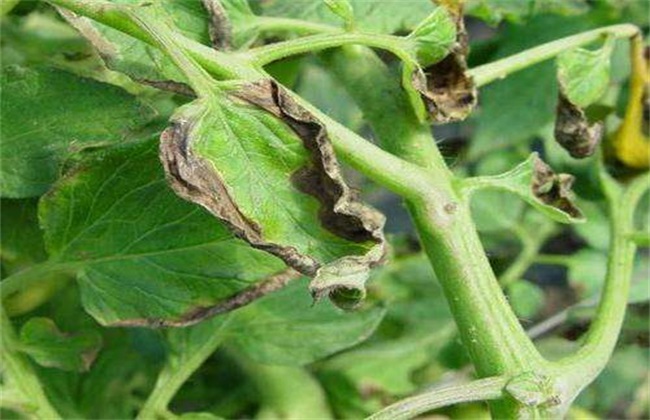
I. Causes of Tomato Plant Death
1. Plant death after tomato transplanting
The cause of plant death after tomato transplanting may be due to planting too deep and failing to do proper hoeing and loosening of the soil after watering. At the same time, if the young tomato seedlings' fine roots suffer frost damage or scorching, it will cause damage to the fine roots. When fertilizing, if too much fertilizer is applied, especially excessive chemical fertilizer, it will cause seedling burn and root burn, and the seedlings will wilt and rot at the roots as a result. Or after transplanting, the young tomato seedlings may be harmed by pests such as root-knot nematodes; for example, transplanting with eggs, or soil containing eggs, can all lead to tomato seedling death.
2. Plant death during the full fruiting period
Most tomato plant death occurs during the low-temperature winter season. The main cause of tomato plant death during the full fruiting period is excessive watering. During the day, the temperature inside the greenhouse is relatively high, and water evaporates quickly. This causes the aboveground part of the tomato plant to have a high water demand, while the roots have difficulty absorbing water, creating a conflict that causes the plant to wilt and die.
3. Disease causes
During growth, tomatoes are extremely vulnerable to the threat of diseases. For example, common root rot, basal rot, and fusarium wilt are all major diseases that can lead to tomato plant death. Root rot causes the tomato roots or the base of the primary stem to gradually become sunken, hindering the plant's nutrient transport. This causes the stems and leaves at the top of the tomato plant to gradually wilt due to lack of nutrients, and in severe cases, the plant dies. Fusarium wilt manifests as wilting of stems and leaves; as the disease worsens, the leaves gradually turn yellow from the bottom upward, and finally the roots become soft and rotted, and the plant dies.
II. What to Do About Plant Death
After tomato transplanting, pay attention to timely watering, and also do proper hoeing and loosening of the soil. If the plant shows wilting, immediately dig away the soil to let the roots dry in the air. When growing in a greenhouse, control the greenhouse temperature well; the temperature must not be too high or too low. Before planting, an appropriate amount of biological microbial agent can be applied in the planting holes to enhance the tomato plant's disease resistance. If there are diseased plants, handle them promptly. When infected by root-knot nematodes, promptly use Purpureocillium lilacinum preparation for root drenching to propagate. Finally, when watering during the tomato full fruiting period, mainly use small amounts of water frequently; do not flood-irrigate.
The above is a brief introduction to what to do about tomato plant death. That is all for today's introduction. This article is for reference only, and we hope it can help everyone!