Detailed Explanation of Key Cultivation Techniques for Chestnut Pumpkin
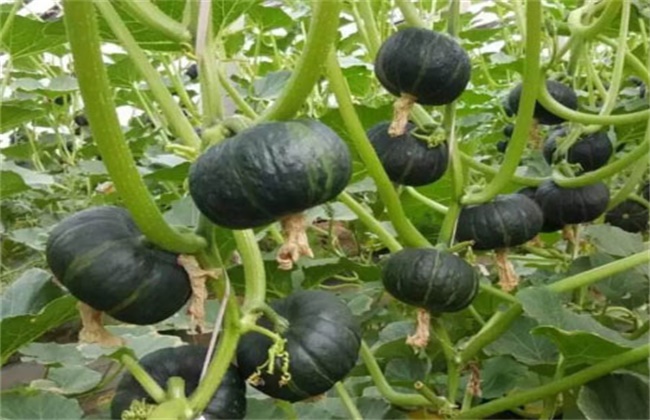
Chestnut pumpkin is a small pumpkin variety, and this year it also counts as a trendy food; it can be seen in supermarkets and fruit shops. Its taste is sweet, fragrant, soft and glutinous, with a delicate texture. Its sugar is mainly xylose, which the human body does not absorb, so it is deeply loved by people who are losing weight. So do you know how it is grown? Let's take a look.
1. Planting time
Chestnut pumpkin varies by region and planting method, and its planting time also differs. In the north, planting is generally chosen in spring from March to April, while in the south temperatures rise faster, so planting is generally from February to March. In areas such as Guangxi and Yunnan, sowing can be done from early December to late January. Greenhouse planting has a relatively wide time range, at the earliest in mid-February and at the latest in late June.
2. Seed selection and germination
Before planting, selection is first needed. At present, there are still quite a lot of chestnut pumpkin seeds on the market, and growers can purchase according to their needs. Before sowing, appropriate germination is needed to promote the seeds to sprout as soon as possible. First soak them in warm water at 50 degrees, which has a sterilizing and disinfecting effect, or they can be placed in clean water and soaked for 36 hours. After they have absorbed enough water, place them on a moist wet cloth, or place them in a constant-temperature box for germination. Generally, after about two days, the seeds can be seen showing a white tip, and at this time they can be sown.
3. Sowing and raising seedlings
When sowing, pay attention to keeping the seedbed moist. During this period, appropriate spraying of water is needed. Generally, the seedlings sprout after about a week, and when they grow to 4 true leaves, they can be transplanted. One week before transplanting, watering needs to be controlled to achieve the effect of hardening the seedlings. Within three days of planting, water once a day, preferably in the morning, and check and replant seedlings. One week after planting, apply a thin urea solution once, and after entering the vine extension stage, timely apply phosphorus and potassium fertilizer as a top dressing.
4. Field management
When the main vine grows to 25, the seedlings need to be hung on vines, and excess branches and vines should be removed to reduce unnecessary nutrient consumption and also increase ventilation. After entering the flowering and fruiting stage, artificial pollination and light are needed. Generally, two pumpkins are kept on one main vine, so as to ensure sufficient nutrient supply for the pumpkins. During the pumpkin fruit-setting period, apply top dressing twice: once after the first fruit sets, applying about 50 kg of cake fertilizer per mu, and the second top dressing after the second fruit sets, applying 30 kg of compound fertilizer per mu.
The above is an introduction to the cultivation techniques for chestnut pumpkin. I hope it can help you. If you want to learn more related knowledge, please follow us.