Detailed Explanation of Key Management Techniques for Purple Sweet Potato Seedling Stage, Teaching You to Cultivate Strong Seedlings
Purple sweet potato and sweet potato are actually quite similar plants, and both are very popular food crops. They have a very wide planting area in our country. When planting purple sweet potatoes, we need to adjust management methods according to the growth stages of the purple sweet potato. Among these, management during the seedling stage is very important. So how should purple sweet potatoes be managed during the seedling stage? Today, the editor brings you the management techniques for the purple sweet potato seedling stage. Let's take a look!
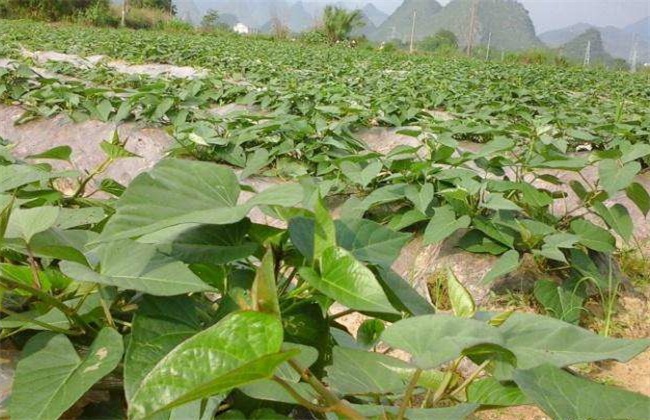
1. Temperature control
During the purple sweet potato seedling stage, temperature control is very important. The temperature inside the film should be maintained at around 28°C. However, at noon on sunny days, because the temperature will be relatively high, you must pay close attention to temperature changes inside the film. If the temperature is too high at this time, it may cause seedling burn. We should reasonably adjust the temperature according to weather changes and promptly take measures such as cooling and warming. During the seedling raising period, the early stage should focus mainly on high-temperature sprouting promotion, the middle stage should stabilize the temperature to promote seedling growth, and the later stage should use appropriately low temperatures for hardening the seedlings.
This mainly means that before the potato sprouts emerge from the soil, during the early seedling raising stage, we should focus mainly on promoting sprouting. The temperature inside the film can be appropriately increased, but it must not exceed 35°C. Under normal conditions, ventilation is not necessary. Then, from full emergence to 10 days before seedling collection is the middle stage of seedling raising. At this time, the temperature should be appropriately lowered and maintained at around 25-30°C, and temperature regulation should be done well. Then, one week before transplanting to the field, the temperature should be lowered to ambient temperature, with no heating, and the film should be appropriately opened for low-temperature seedling hardening. This enhances the adaptability of sweet potato seedlings to the environment and improves the growth ability of the seedlings.
2. Reasonable watering
Before the sweet potato seedlings emerge from the soil, watering should not be excessive and may even be omitted. This avoids affecting seed germination. However, after the seedlings fully emerge, attention should be paid to watering thoroughly once, and after seedling collection, water should also be given promptly once. Then, during the seedling hardening period and before seedling collection, watering should not be done. During high-temperature periods, however, it is necessary to keep the plants from lacking water. During low-temperature seedling hardening, keep the soil in a state of alternating dry and wet, with the upper layer dry and the lower layer moist. If the soil is too dry and needs watering, under low-temperature conditions it should be done in the morning, while under high temperatures it should be done in the morning and evening.
3. Timely topdressing
When watering sweet potato seedlings, it can be combined with topdressing. The fertilizer for topdressing should mainly be nitrogen fertilizer, such as urea. When fertilizing, be sure to control the amount and concentration of fertilizer properly. The concentration must never be too high. Follow the principle of applying more frequently and in small amounts, and do not broadcast directly or pour it on wetly, to avoid seedling burn caused by excessive fertilizer heat. Finally, when the purple sweet potato seedlings grow to about 25 cm tall, collect the seedlings and transplant them into the field. If seedling collection is too late, the growing space for purple sweet potato seedlings will be too crowded. This will affect the growth of the lower small seedlings and reduce yield.
The above is a brief introduction to the management techniques for the purple sweet potato seedling stage. That is all for today's introduction. This article is for reference only, and I hope it can help everyone!