A Complete Analysis of the Key Management Measures for Sesame at the Seedling Stage
Sesame cultivation is very common in China, as a food crop that can both be eaten and used for pressing oil. Sesame is still very popular with many people in China. When growing sesame, if you want to improve the yield and quality of sesame, then management work is very important. We must manage it according to the growth stages of sesame. So how should sesame be managed at the seedling stage? Below, the editor will briefly introduce it for everyone. Let's take a look together!
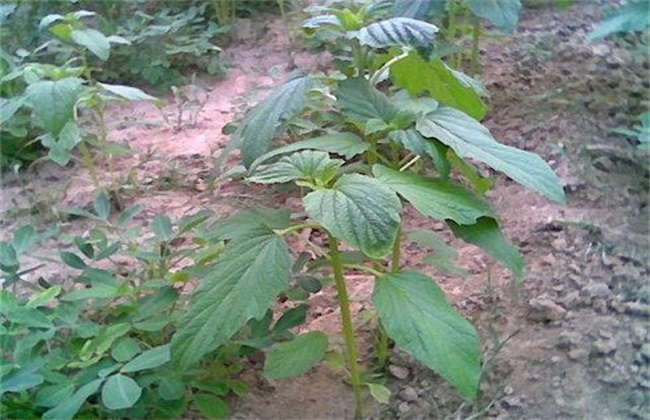
1. Soil management
During the sowing season for sesame, rain often occurs after sowing. If it rains after sowing, the soil will become compacted as a result. The lower soil layer will also become short of oxygen because it is too wet, causing the seeds to be unable to germinate and emergence to be blocked. As a result, sesame will show a serious shortage of seedlings, causing a sharp drop in yield, or even a total loss. Therefore, the soil compaction must be broken up in time to ensure that the seedlings can emerge normally and achieve full and even stands. Generally, when the soil turns white after rain, promptly shallow hoe the compacted soil or lightly harrow it crosswise to break the hard soil crust and help the seedlings emerge.
2. Checking seedlings and replanting
Under suitable growing conditions, summer sesame will emerge 5 days after sowing, autumn sesame 3 days after sowing, and spring sesame about a week after sowing. If emergence is too late or incomplete, then the cause must be investigated in time and corresponding measures taken. Missing seedling spots should be replanted in time. If the missing seedlings are scattered, seedlings can be transplanted to fill the gaps. When replanting, first dig the planting holes at the missing spots while controlling the spacing between plants and rows well. If the soil moisture is poor, water appropriately, then select nearby healthy and strong seedlings, transplant them with soil into the planting holes, then gently firm the surrounding soil and cover with a layer of fine soil to prevent the soil from cracking and reducing its moisture-holding capacity.
3. Thinning and final singling of seedlings
During the sesame seedling stage, we must also do a good job of thinning and final singling of seedlings. When sesame grows two leaves, the first thinning can begin. Keep the healthy and strong seedlings, then remove some weak seedlings. Then when 2-3 pairs of leaves have grown, thin again. The final singling work is carried out when the sesame seedlings grow their fourth pair of leaves. The timing of final singling should not be too early, and watering should be done well before final singling. Transplanting should be carried out after rain or on cloudy evenings.
4. Intertillage and weeding
In addition, intertillage and weeding during the sesame seedling stage are also very important. We should pay attention to changes in the weather and make corresponding changes. Usually, at the time of the first thinning, intertillage can begin. This improves soil permeability and enhances the growth ability of the seedlings. However, because the root system of the seedlings is not deep at this time, shallow cultivation should be the main approach. At the time of the second thinning, cultivate again to remove weeds in the field, prevent weeds from competing for the nutrients needed for the growth of sesame seedlings, and ensure normal seedling growth.
The above is a brief introduction to the key management points for sesame at the seedling stage. That is all for today's introduction. This article is for reference only, and I hope it can help everyone!